 中文繁体
中文繁体
 English
 Français

How to Display Crystal Glasses: Ideas & Practical Tips
The Best Way to Display Crystal Glasses Is to Let Light Work for You
Crystal glasses earn their place on display rather than in a cabinet precisely because of how they interact with light — the prismatic sparkle, the clarity, the fine rims that seem to disappear. The single most effective thing you can do when displaying crystal glasses is position them where natural or directed artificial light can pass through or reflect off the glass. Everything else — the shelf, the arrangement, the backing — supports that core principle.
Beyond light, successful crystal display comes down to three practical considerations: protecting the glasses from dust and physical damage, arranging them so the collection reads as intentional rather than crowded, and choosing a display format that suits the room and the number of pieces you have. This guide covers all of these in practical, actionable terms.
Display Options Compared: Cabinets, Open Shelves, and Hanging Racks
Before deciding how to arrange your glasses, choose the right display format for your space and collection size. Each option has meaningful trade-offs in terms of dust protection, visual access, safety, and aesthetic impact.
| Display Format | Dust Protection | Visual Impact | Best For | Risk Level |
|---|---|---|---|---|
| Glass-fronted display cabinet | Excellent | High (with interior lighting) | Large collections, heirlooms, formal rooms | Low |
| Open shelving (wall-mounted) | None | Very high (full visual access) | Frequently used glasses, modern interiors | Moderate |
| Hanging stemware rack | Minimal | Dramatic (stems visible, catches light) | Wine glasses, bar areas, kitchen | Low (inverted storage) |
| Sideboard or credenza top | None | High (eye-level, centrepiece potential) | Small curated sets, dining rooms | Moderate-high |
| Floating glass shelf near window | None | Maximum (backlit by natural light) | Statement pieces, small collections | Moderate |
Glass-Fronted Display Cabinets: Making the Most of an Enclosed Display
A glass-fronted cabinet — whether a purpose-built china cabinet, a glazed bookcase, or a built-in alcove with glass doors — protects crystal from dust while still showing it off. The biggest mistake with cabinet displays is relying on ambient room light alone, which leaves glasses looking flat and dull behind glass. Adding interior lighting transforms the same cabinet from a storage unit into a display piece.
Interior Lighting Options for Cabinets
- LED strip lights under each shelf: The most versatile option. Warm white (2700–3000K) LEDs illuminate the glasses from above without creating harsh hot spots. Stick-on LED strips with a dimmer cost as little as $15–$30 and fit in almost any cabinet without modification.
- Puck lights at the top of the cabinet: Battery-operated puck lights require no wiring and can be positioned to create downlight that catches the cut glass patterns and stems.
- Mirrored cabinet back: Many display cabinets come with or can be retrofitted with a mirrored back panel. This doubles the visual depth of the display and reflects light back through the glasses, dramatically increasing sparkle without any additional lighting.
Shelf Arrangement Inside a Cabinet
Avoid filling every shelf to capacity. Leave at least 30–40% of each shelf empty so individual glasses can be seen rather than glimpsed between other pieces. Arrange by height — tallest glasses at the back of deep shelves, shorter pieces in front — so all items are visible when the cabinet door is closed. Group by type (wine glasses together, tumblers together) or by pattern if you have mixed crystal from different makers.
Open Shelving: Maximizing Visual Impact While Managing Dust
Open shelves give crystal glasses their fullest visual expression — nothing between the viewer and the glass, maximum light access, and the ability to appreciate individual pieces without looking through cabinet doors. The trade-off is dust accumulation, which dulls crystal quickly and means pieces need regular gentle washing to maintain their sparkle.
Choosing the Right Shelf Material
- Glass shelves: The best choice for crystal display. Glass shelves are visually minimal, do not compete with the display, and allow light to pass through both the shelf and the glasses simultaneously. Use tempered glass at least 6mm thick for safety.
- White-painted wood shelves: Provide a clean, neutral background that shows crystal clearly without the visual weight of wood grain or dark finishes. Easy to install and widely available.
- Avoid dark or heavily grained wood: Dark shelves reduce contrast and make crystal look dingy rather than sparkling. If working with existing dark shelves, a light-colored shelf liner improves the display significantly.
Non-Slip Shelf Liners for Safety
Crystal glasses have narrow flat bases that can slide on smooth shelf surfaces. A thin non-slip shelf liner — the kind used in kitchen drawers — prevents accidental sliding when a shelf is bumped or when other glasses are removed nearby. Choose a liner in white or clear to avoid introducing visible color beneath the glasses. Avoid thick rubber liners that elevate the glasses unevenly.
Hanging Stemware Racks: A Functional Display That Works Hard
Stemware hanging racks — under-cabinet, ceiling-mounted, or bar-rail mounted — store glasses inverted with the bowl hanging down and the stem visible. This serves dual purposes: it is a genuinely practical storage solution that keeps glasses accessible, and it creates a visually striking display where rows of elegant stems and bowls catch overhead light beautifully.
What Works Well on a Hanging Rack
- Long-stemmed wine glasses — Bordeaux, Burgundy, and champagne flutes — are ideally proportioned for hanging racks and create elegant visual rhythm when hung in matched rows
- Crystal glasses with cut or engraved patterns on the bowl look particularly striking when inverted, as the cut glass is fully visible from below
- Consistent sets of 4, 6, or 8 matching glasses create a uniform, intentional display on a rack — mixed styles can look cluttered when hung together
Installation Considerations
Under-cabinet racks must be mounted into solid wood or studs — not just drywall — to safely support the weight of full crystal sets. A set of 12 large crystal wine glasses can weigh 8–12 lbs (3.5–5.5 kg); the mounting hardware must be rated well above this. Check that the rack's slot width matches your specific glass rim diameter before purchasing — most racks accommodate rims up to about 3/4 inch (19mm), but oversized crystal glasses may not fit standard racks.
Using Natural Light to Display Crystal Glasses at Their Best
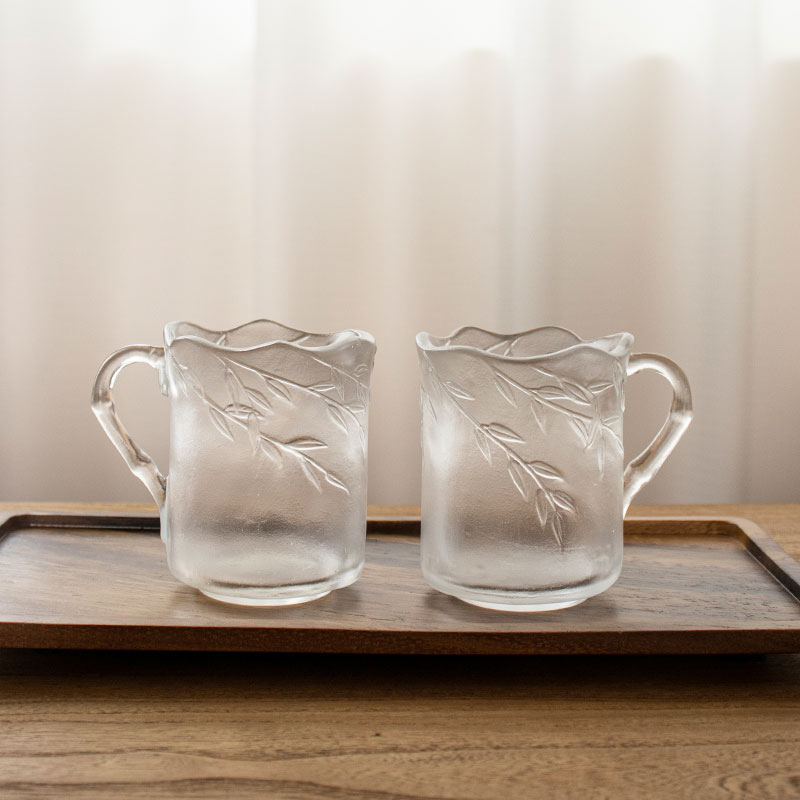
No artificial lighting replicates what a glass shelf positioned in a window can achieve with crystal. When natural light passes through lead crystal or high-quality crystal glass, it separates into spectrum colors — the rainbow prismatic effect that makes fine crystal immediately recognizable. Positioning even a small number of pieces in a window or near a natural light source creates a display effect that dominates the room.
Window Shelf Displays
A floating glass shelf mounted across a window — particularly a north-facing window in the northern hemisphere that receives consistent indirect light — is one of the most effective crystal display settings possible. The glass shelf itself is invisible, the background is light and bright, and the crystal pieces appear to float in mid-air while refracting sunlight throughout the day. Limit a window shelf to 3–7 pieces maximum — the display gains its impact from each piece being seen individually, not from quantity.
Managing Direct Sunlight
Direct, intense sunlight through lead crystal can project focused light beams onto surfaces — a beautiful effect — but can also create concentrated heat spots if the crystal is thick enough to act as a lens. Avoid positioning very thick-walled crystal pieces in intense direct summer sunlight near flammable materials like curtains or paper. Most modern crystal glass poses minimal risk, but antique thick-cut pieces deserve caution. Indirect or diffused sunlight is ideal for a permanent display.
Arranging Crystal Glasses: Principles That Make Any Display Look Intentional
The difference between a display that looks curated and one that looks like overflow storage is almost entirely in the arrangement. A handful of practical composition principles apply regardless of the display format.
Odd Numbers and Groupings
Groups of three or five pieces typically look more visually interesting than pairs or even numbers, which can appear static and symmetrical in a way that reads as rigid rather than curated. If displaying a set of eight matching glasses, arrange them as two groups of three with a taller piece between the groups rather than a single row of eight — this creates rhythm and visual interest across the shelf.
Varying Heights Within a Group
A display of glasses all the same height looks uniform but flat. Mixing heights — pairing champagne flutes with shorter wine glasses and tumblers — creates a silhouette that draws the eye across the shelf. When working with a matched set, stagger the front-to-back positioning to create a sense of depth even on a single shelf.
Spacing and Breathing Room
Crystal benefits from space around each piece. When glasses are placed rim-to-rim, the cut glass patterns overlap visually and no single piece can be appreciated. Leave at least one glass-width of space between each piece as a minimum — more on an open shelf where the display is the primary purpose. Overcrowding is the most common display mistake and the easiest to fix.
Mixing Crystal with Complementary Objects
Crystal glasses do not need to be displayed in isolation. Pairing them with objects that share visual qualities — clear glass decanters, silver candlesticks, a single white ceramic piece — creates a cohesive vignette that makes the crystal look more deliberately placed. Avoid mixing crystal with objects that compete visually (busy patterned ceramics, brightly colored items) — the transparency of crystal is best shown off against neutral or monochromatic companions.
Keeping Displayed Crystal Glasses Clean and Safe
Displayed crystal that is never used still needs regular maintenance. Dust dulls the surface, airborne grease (particularly in dining rooms or near kitchens) creates a film that reduces sparkle, and hard water mineral deposits can etch the surface over time if left unaddressed.
Routine Cleaning for Displayed Pieces
- Hand wash displayed crystal every 4–8 weeks in warm water with a small amount of dish soap — avoid dishwashers for fine crystal, as the heat and harsh detergents etch the surface and cloud lead crystal over time
- Dry immediately with a lint-free microfiber cloth rather than air drying — water spots from tap water minerals are visible on crystal and reduce sparkle
- A light dust between full washes can be done with a soft natural-bristle brush or an electrostatic duster — avoid synthetic microfiber dusters that can create static and attract more dust
- For cloudy crystal that has developed a mineral film, a solution of one part white vinegar to three parts warm water restores clarity — soak briefly, rinse thoroughly, and dry immediately
Protecting Against Physical Damage
- Keep glasses away from high-traffic areas where they can be knocked by passing arms or bags — position displays at least 12 inches away from pathways where possible
- Never place crystal glasses directly against walls or other hard surfaces — the rim is the most fragile part and chips easily from contact with stone, tile, or another glass
- In earthquake-prone regions, use museum putty (Quake Hold or similar) under the base of each glass — a small, invisible amount of putty prevents glasses from walking off shelves during vibration without damaging the crystal
- For irreplaceable antique or heirloom crystal, a glass-fronted cabinet with a positive-latch door provides the most reliable protection from both dust and accidental damage
 previous post