 中文繁体
中文繁体
 English
 Français

Art Glass Sculptures: Techniques, Materials & Buying Guide
What Are Art Glass Sculptures?
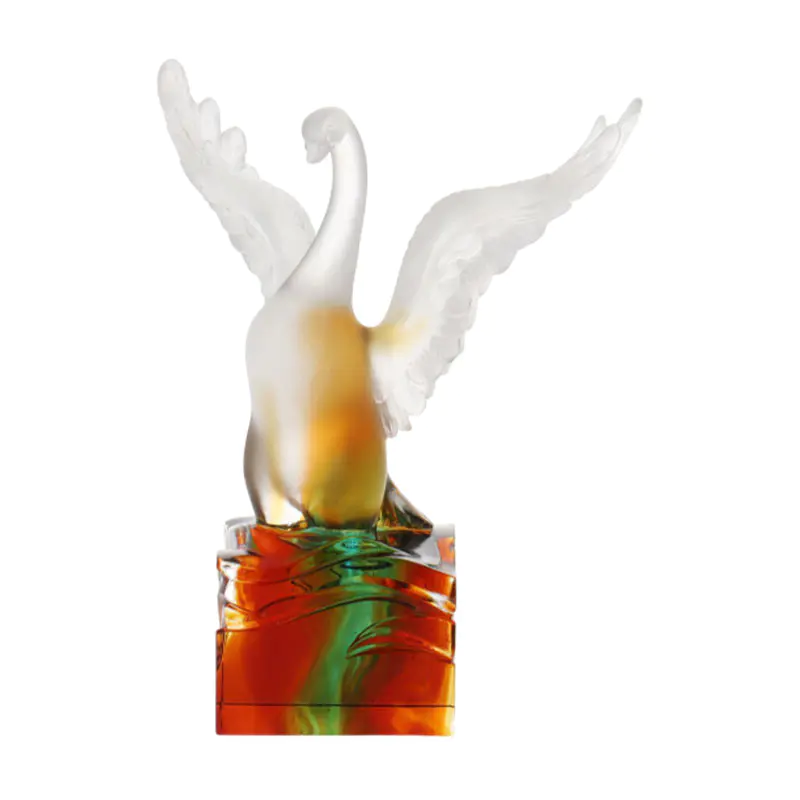
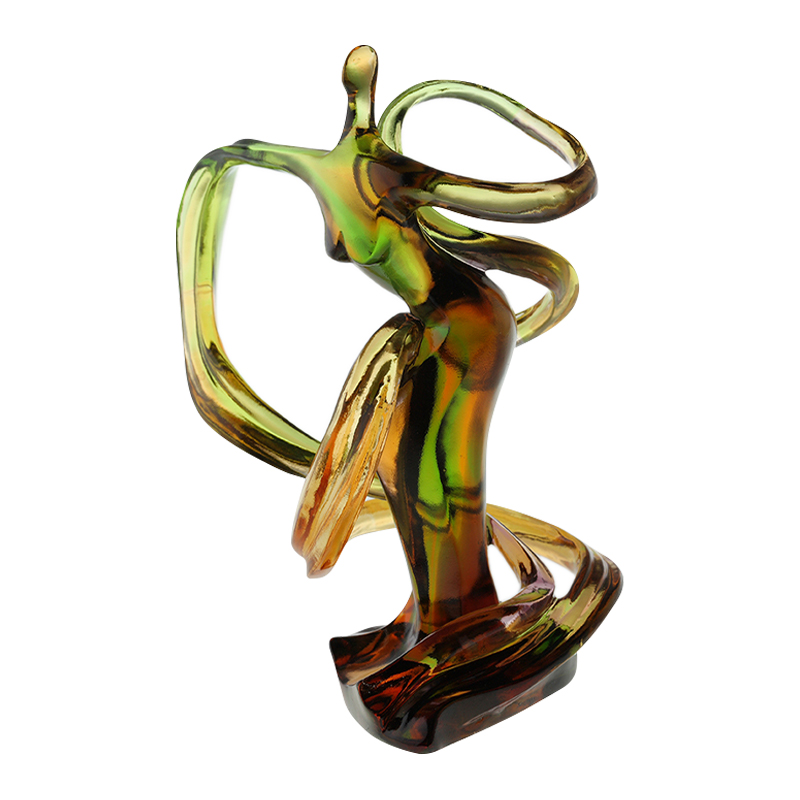
Art glass sculptures are three-dimensional works of art created primarily from glass as the expressive medium, encompassing a broad spectrum of techniques, scales, and artistic intentions — from hand-blown vessels and cast architectural installations to lampworked figurines and kiln-formed wall pieces. Unlike functional glassware, art glass sculptures prioritize aesthetic experience, conceptual depth, and material mastery, often pushing the physical boundaries of the medium to explore transparency, color, light interaction, and form in ways impossible with other materials.
The category spans an enormous price and complexity range. At one end, studio glass artists produce limited-edition or one-of-a-kind works that sell through galleries and auction houses for tens of thousands to hundreds of thousands of dollars. At the other, manufacturers produce decorative glass sculpture lines for interior design markets, hospitality procurement, and gift retail, combining artistic design with scalable production techniques. What unifies the category is glass's defining optical property: its ability to transmit, refract, and internally scatter light in ways that no other sculptural material can replicate.
Global demand for art glass sculptures is driven by the interior design and hospitality sectors, fine art collectors, corporate art programs, and a growing direct-to-consumer market enabled by online gallery platforms. The American art glass market alone is estimated to exceed $1.5 billion annually when gallery sales, interior design procurement, and retail decorative glass are included.
Primary Techniques Used in Art Glass Sculpture
The making of art glass sculptures draws on a diverse set of techniques, each producing distinctive visual and tactile qualities. Many contemporary artists combine multiple methods within a single work, exploiting the contrasting qualities each technique affords.
Glassblowing
Glassblowing — gathering molten glass on a hollow steel blowpipe and inflating it while shaping with tools and centrifugal force — remains the most iconic and widely practiced studio glass technique. Working temperatures reach 1,100–1,200°C, and the artist has a narrow window of workability as the glass cools. The blown form captures the dynamism of the making process: subtle asymmetries, flowing surface movement, and the record of tool marks become part of the work's character. The Studio Glass Movement, catalyzed by Harvey Littleton and Dominick Labino's landmark 1962 Toledo workshops, democratized glassblowing by demonstrating that artists could work independently outside industrial factory settings — a development that transformed glass from a craft medium into a recognized fine art form.
Casting (Pâte de Verre and Lost-Wax)
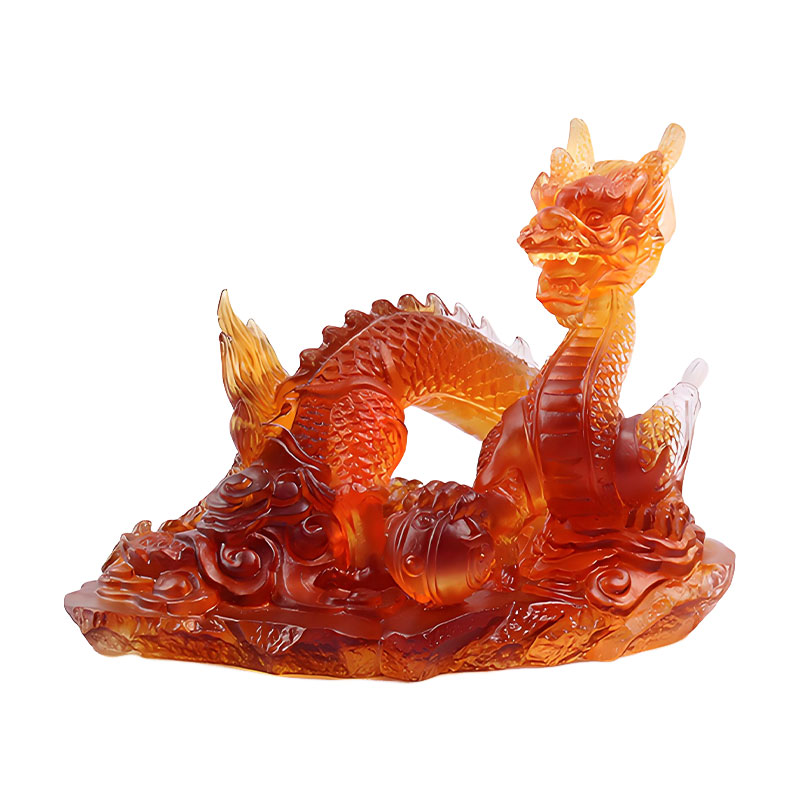
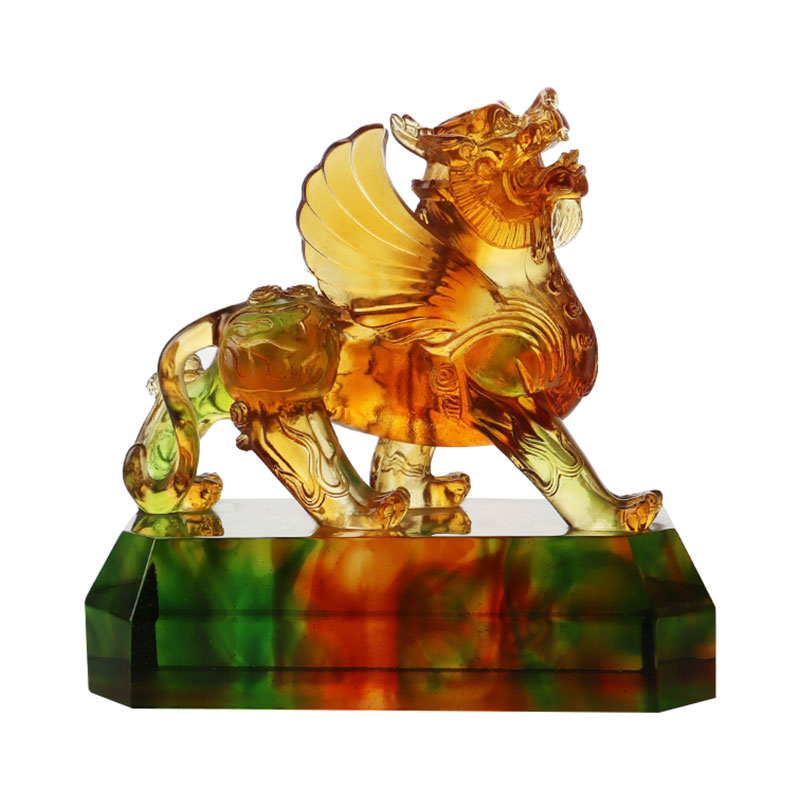
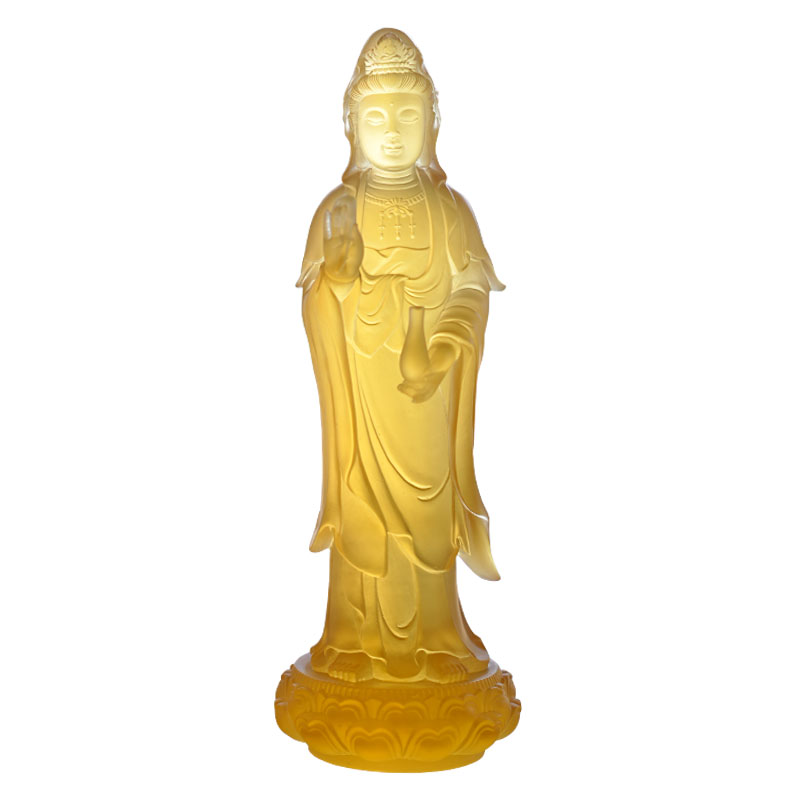
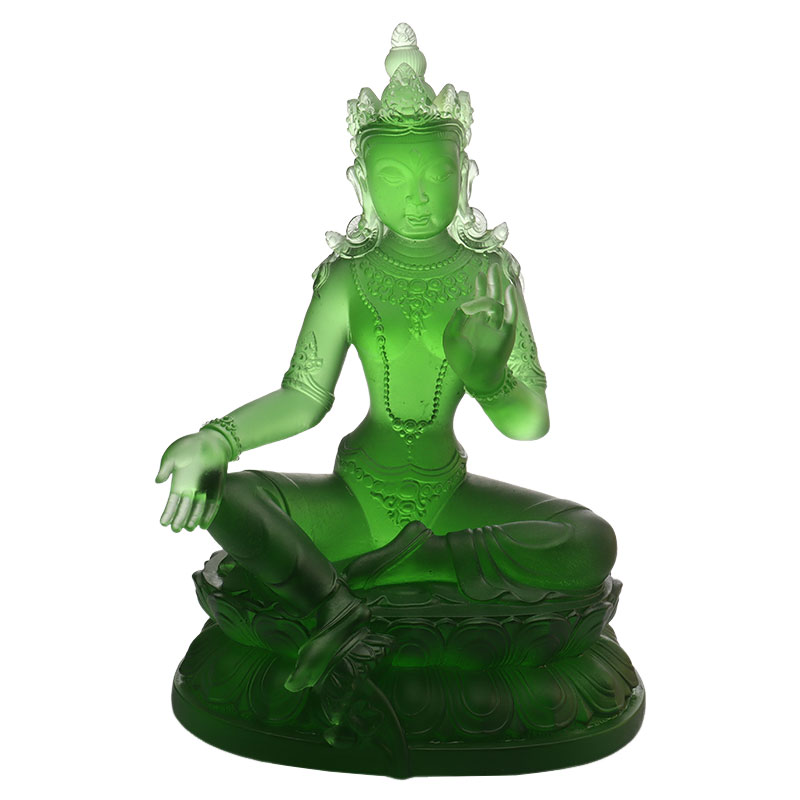
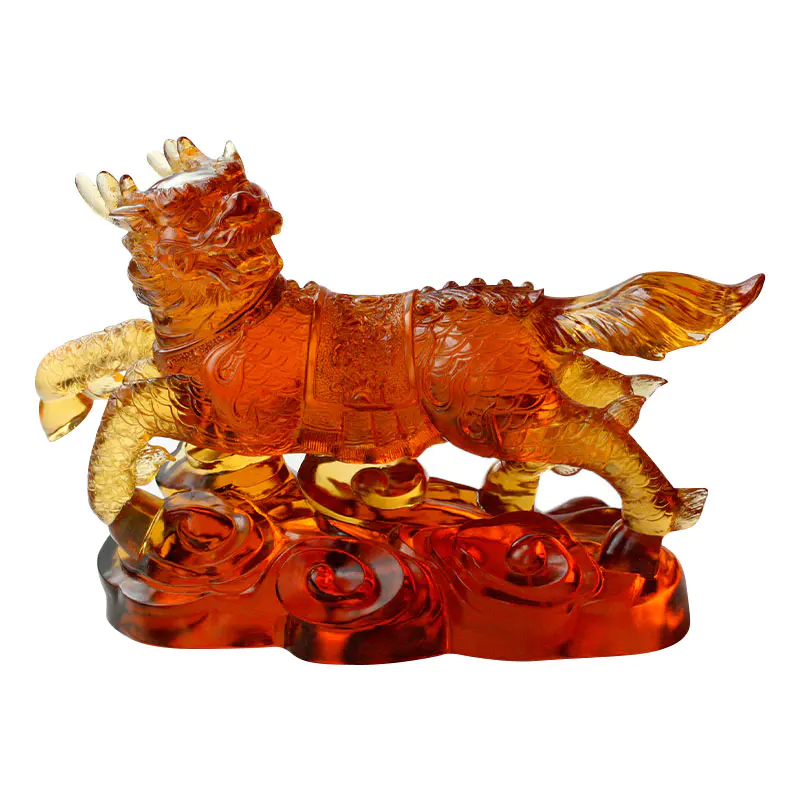
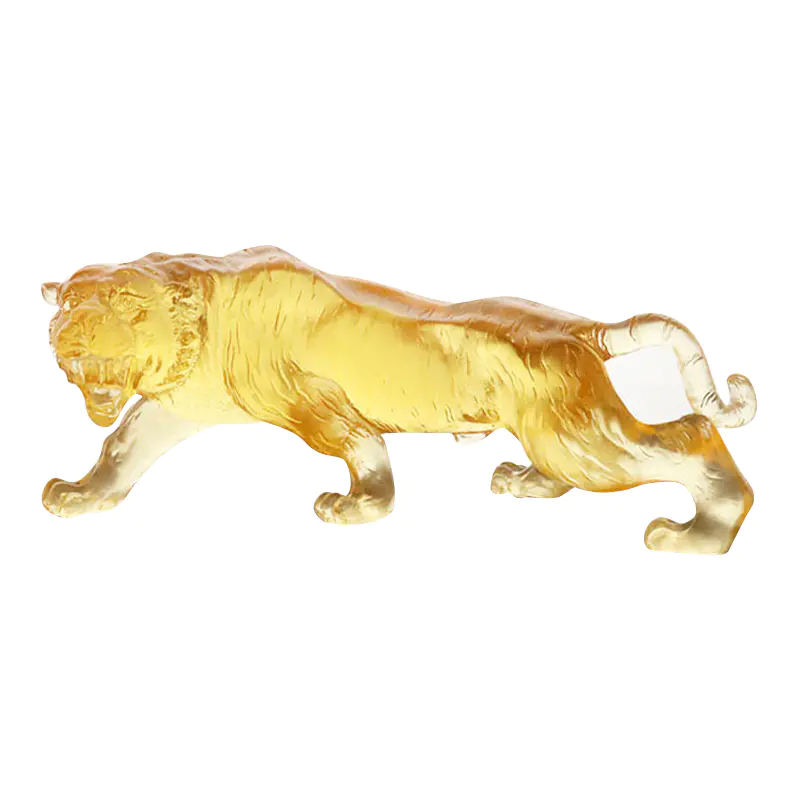
Cast glass sculptures are created by pouring or packing molten or powdered glass into refractory molds, then kiln-firing to allow the glass to fuse and fill the mold cavity. Lost-wax casting — adapted from bronze sculpture — involves creating a wax positive, investing it in a refractory shell, burning out the wax, and casting glass into the resulting negative space. This technique enables highly detailed, optically dense forms with a sense of depth and weight that blown glass cannot achieve. The Belgian sculptor Moulène and the Czech tradition of architectural cast glass both demonstrate the extraordinary formal range available through casting.
Lampworking (Flameworking)
Lampworking uses a bench-mounted torch burning a mixture of oxygen and propane or natural gas to melt glass rods and tubes into sculptural forms at the millimeter scale. The technique allows extraordinary precision — lampworked sculptures routinely incorporate detail at sub-millimeter resolution, including realistic botanical forms, marine life, and figurative work. Borosilicate glass (known commercially as Pyrex or boro) is the preferred material for lampworking due to its lower thermal expansion coefficient, which reduces cracking risk during the rapid heating and cooling of small-scale work. The contemporary lampworking scene encompasses both fine art practitioners and a large community of decorative and functional makers.
Kiln Forming (Fusing and Slumping)
Kiln forming encompasses techniques in which flat glass sheets or arranged glass elements are fired in a kiln to fuse, shape, or texture them without the use of a blowpipe or torch. Fusing bonds multiple glass layers into a unified piece; slumping uses gravity and a mold to bend fused glass into three-dimensional forms over a firing cycle. Kiln-formed glass sculptures are particularly prevalent in architectural art glass — wall panels, room dividers, and decorative installations — where large-format flat glass can be transformed into complex three-dimensional relief surfaces.
Cold Working (Cutting, Engraving, Polishing)
Cold working refers to all processes applied to glass after it has fully cooled, using abrasive wheels, diamond tools, acid etching, or sandblasting to cut, carve, polish, or texture surfaces. Many cast and blown glass sculptures undergo extensive cold working as a finishing stage — cutting flat facets, grinding curved surfaces to optical clarity, or engraving figurative imagery into solid glass forms. Cold working is also the primary technique in optical glass sculpture, where blocks of optical-grade borosilicate or crystal are ground and polished to precise geometric forms with mirror-perfect surfaces.
Glass Materials and Their Sculptural Properties
The choice of glass material profoundly affects the visual, structural, and working properties of the finished sculpture. Artists and manufacturers select glass formulations based on the technique being employed, the desired optical qualities, and the scale of the work.
| Glass Type | Key Properties | Primary Techniques | Typical Applications |
|---|---|---|---|
| Soda-Lime Glass | Workable, wide color range, lower cost | Blowing, casting, kiln forming | Studio glass, decorative sculpture |
| Borosilicate Glass | Low thermal expansion, high clarity, durable | Lampworking, scientific glass art | Lampworked figurines, functional art |
| Lead Crystal | High refractive index, brilliant sparkle, heavy | Casting, cold working, cutting | Luxury decorative sculpture, trophies |
| Optical Glass | Exceptional clarity, zero bubbles, precision grinding | Cold working, CNC grinding | Geometric fine art, collector sculpture |
| Dichroic Glass | Color-shifting, metallic oxide coating | Fusing, lampworking | Jewelry-scale and decorative sculpture |
Influential Artists and the Evolution of Contemporary Art Glass
The contemporary art glass sculpture field has been shaped by a succession of artists who expanded the medium's expressive possibilities and established its legitimacy within the broader fine art world. Their innovations continue to define the aesthetic vocabulary that newer generations of glass artists work within and against.
Dale Chihuly is the most internationally recognized name in contemporary art glass, renowned for his large-scale environmental installations — chandelier forms, Persian vessel series, and architectural garden installations — that transformed public and institutional glass patronage. His Tacoma Museum of Glass and permanent installations in major botanical gardens worldwide demonstrate the scale at which contemporary glass sculpture now operates.
The Czech tradition of cast and engraved glass — represented by artists including Stanislav Libenský and Jaroslava Brychtová — pioneered the use of massive cast glass forms with deep internal color and luminosity, demonstrating that glass could carry the same monumental gravity as stone or bronze. Libenský and Brychtová's collaborations produced cast glass heads and architectural panels of extraordinary formal power that remain touchstones for contemporary cast glass practitioners.
The Pacific Northwest has emerged as a global center for studio glass, anchored by the Pilchuck Glass School (founded by Chihuly and patrons Anne Gould Hauberg and John Hauberg in 1971) and a dense ecosystem of studios, galleries, and collectors concentrated in Seattle and the surrounding region. This geographic concentration has created cross-pollination between artists working in different techniques that has significantly accelerated stylistic evolution in the field.
Buying Art Glass Sculptures: What Collectors and Specifiers Need to Know
Whether purchasing for a private collection, a corporate art program, or a hospitality interior design project, buying art glass sculpture requires attention to criteria that differ meaningfully from other art categories. Glass's physical fragility, sensitivity to display conditions, and the highly variable relationship between production complexity and market price make informed buying particularly important.
Authenticity and Edition Documentation
For fine art glass, provenance documentation — certificate of authenticity, edition number, artist signature, and gallery or auction records — is essential for both insurance valuation and resale. Many studio glass artists sign works on the base with a diamond scribe or sandblasted signature; some also provide a paper certificate. For limited edition works produced by artist studios with production teams (a common model in high-output studios), buyers should confirm whether the piece was made under the direct supervision of the named artist or primarily by studio assistants, as this affects both artistic value and market price.
Condition Assessment
Glass sculpture condition assessment requires examination under raking light and ideally a UV lamp (which reveals historic repairs and surface treatments invisible in normal light). Key condition issues include chips and cracks (which are essentially irreparable without visible alteration of the work), surface scratches (potentially polishable on cold-worked pieces), devitrification (surface cloudiness from improper annealing — generally not reversible), and stress fractures visible as fine internal lines that indicate annealing failure. Minor surface chips to non-featured areas of a significant work may be acceptable; any crack that extends through the wall of a blown piece should be treated as a serious structural defect.
Display and Lighting Considerations
Art glass sculptures are among the most lighting-sensitive of all art forms — the same work can appear radically different depending on whether it is front-lit, back-lit, side-lit, or displayed against a light or dark background. When specifying glass sculpture for interior design or hospitality projects, commissioning a lighting design consultation alongside the artwork selection significantly improves the probability that the installation will achieve its intended visual impact. LED sources with high CRI (≥90) and adjustable color temperature allow fine-tuning of the balance between warm and cool tones in colored glass.
Shipping and Installation
Large or fragile art glass sculptures require specialist art handling, climate-controlled transport, and custom crating. For works exceeding 50 cm in any dimension, standard courier or freight services are inappropriate regardless of declared value. Reputable galleries and studios providing significant works will typically coordinate specialist art transport as part of the sale or quote it as a transparent additional cost. Installation of large-scale pieces — particularly suspended or structurally integrated works — should be performed by specialists familiar with the load-bearing requirements of glass and the anchor systems appropriate to the receiving structure.
The Decorative and Commercial Art Glass Sculpture Market
Alongside the fine art glass world, a substantial commercial market serves interior designers, hospitality procurement teams, corporate gift buyers, and retail consumers seeking decorative glass sculpture at accessible price points. This segment is supplied by a global network of manufacturers — concentrated in the Czech Republic, Italy (Murano), China, and Poland — that combine artistic design direction with semi-automated or skilled workshop production.
Murano glass sculpture retains a powerful market position driven by the geographical indication protection of the "Vetro Artistico Murano" trademark, which restricts its use to glass made on the Venetian island of Murano by registered glassblowers. Authentic Murano sculptures carry a holographic sticker and registration number verifiable through the Murano Glass consortium — a verification system introduced to combat the significant volume of counterfeit "Murano" glass produced in China and Eastern Europe that has historically undercut legitimate Murano producers.
For hospitality and corporate buyers procuring at volume, working directly with established glass studios or manufacturers on custom commissions — specifying form, color palette, and scale to align with interior design schemes — typically delivers better value and design coherence than sourcing generic decorative pieces through import distributors. Custom glass sculpture programs have become a significant differentiator in luxury hotel and restaurant design, where bespoke lighting installations and reception focal pieces create memorable brand associations that generic furnishings cannot achieve.
 previous post