 中文繁体
中文繁体
 English
 Français

Art Glass Sculptures: Techniques, Care, and Value Guide
Art glass sculptures represent a unique intersection of industrial precision and artistic expression, requiring specific environmental controls and handling protocols to preserve their integrity. Unlike static mediums such as stone or bronze, glass is sensitive to thermal shock, UV degradation, and physical vibration. Collectors and enthusiasts must prioritize stable temperature environments, indirect lighting, and secure mounting systems to prevent structural failure. The value of these pieces is determined not only by the artist's reputation but also by the complexity of the technique employed, such as kiln-casting or hot-sculpting, and the condition of the surface finish.
Primary Formation Techniques and Their Impact
The method used to create an art glass sculpture significantly influences its aesthetic qualities, structural limitations, and market value. Understanding these techniques allows for better appreciation and care.
Kiln-Casting and Pâte de Verre
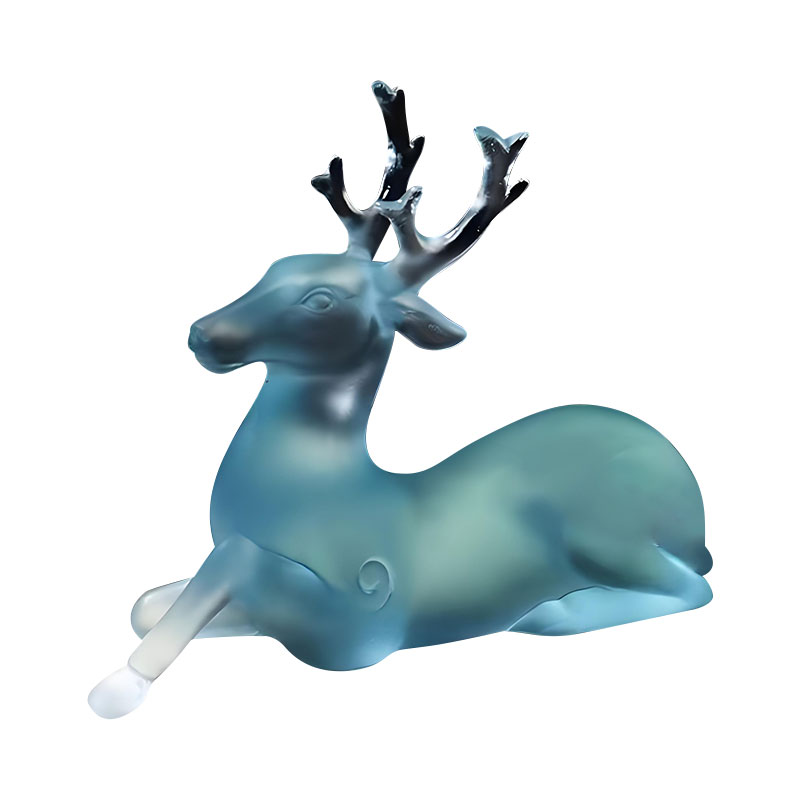
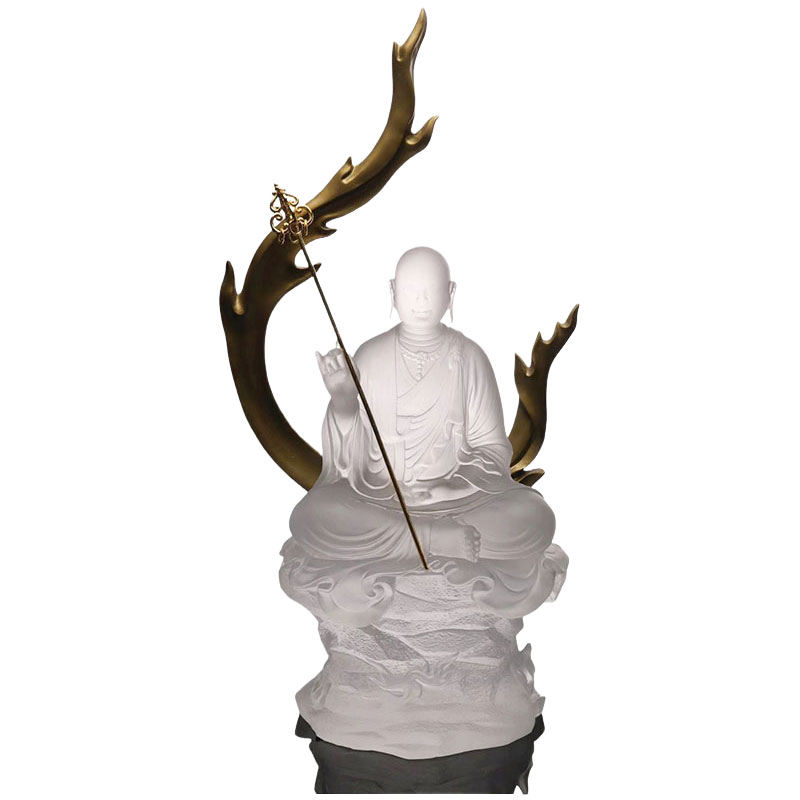
Kiln-casting involves placing glass chunks or powdered glass into a mold and heating it in a kiln until it melts and takes the shape of the cavity. This process allows for intricate details and complex forms that are impossible to achieve with blowing. Pâte de verre, a subset of casting, uses finely ground glass paste, resulting in a matte, stone-like finish with subtle color variations. These pieces are often thicker and heavier, requiring robust support structures.
Hot-Sculpting and Lampworking
Hot-sculpting involves manipulating molten glass directly from the furnace using tools and gravity. This technique creates fluid, organic shapes with a high-gloss surface. Lampworking, or flameworking, uses a torch to melt rods or tubes of glass, allowing for extreme precision in smaller scales. Artists like Dale Chihuly popularized large-scale hot-sculpted installations, which often require internal armatures for stability due to the thinness of the glass walls.
Environmental Controls for Preservation
Glass is chemically stable but physically vulnerable. Proper display conditions are critical to preventing "crizzling" (a network of fine cracks) and structural failure.
Temperature and Humidity Stability
Fluctuations in temperature cause glass to expand and contract at different rates than any internal armatures or bases, leading to stress fractures. Maintain a consistent room temperature between 18°C and 22°C (65°F - 72°F). Relative humidity should be kept between 40% and 50%. High humidity can accelerate corrosion in older glass containing unstable alkali compounds, while low humidity increases static attraction of dust.
Lighting Considerations
While glass itself is generally UV resistant, the metallic oxides used for coloration can fade under prolonged exposure to direct sunlight or high-intensity halogen lights. Use LED lighting with low UV emission and minimal heat output. Position lights to highlight translucency without creating harsh glare or hotspots that could cause localized thermal stress.
Mounting and Display Safety
Secure mounting is essential to prevent accidental damage from vibrations or seismic activity. The choice of mount depends on the sculpture's weight, base shape, and center of gravity.
| Sculpture Type | Recommended Mount | Key Consideration |
|---|---|---|
| Heavy Cast Glass | Solid Bronze or Steel Base | Ensure level surface; use rubber pads to dampen vibration |
| Delicate Blown Glass | Custom Acrylic Cradle | Cradle must support widest point; avoid point pressure |
| Wall-Mounted Pieces | Stainless Steel Cleats | Anchor into wall studs; use safety cables |
For valuable pieces, consider using museum wax or adhesive putty to secure the base to the display surface. This prevents sliding during minor earthquakes or accidental bumps. Avoid using strong adhesives that may damage the glass or leave residue upon removal.
Cleaning and Maintenance Protocols
Improper cleaning is a leading cause of surface damage to art glass sculptures. Abrasive materials and harsh chemicals can scratch the surface or strip protective coatings.
- Dusting: Use a soft, natural-hair brush or a microfiber cloth to remove loose dust. Avoid feather dusters, which can snag on irregular surfaces and break delicate protrusions.
- Washing: If deeper cleaning is necessary, use lukewarm water and a mild, phosphate-free dish soap. Apply with a soft sponge, rinse thoroughly, and dry immediately with a lint-free cloth to prevent water spots.
- Avoid Ammonia: Never use glass cleaners containing ammonia or alcohol, as these can degrade certain types of glass finishes and damage any applied patinas or labels.
- Handling: Always wear nitrile gloves when handling art glass. Oils from skin can etch the surface over time and make the piece slippery, increasing the risk of drops.
 previous post