 中文繁体
中文繁体
 English
 Français

Art Glass Sculptures: Techniques, Styles, and Collecting Tips
Why Art Glass Sculptures Are a Valuable Choice
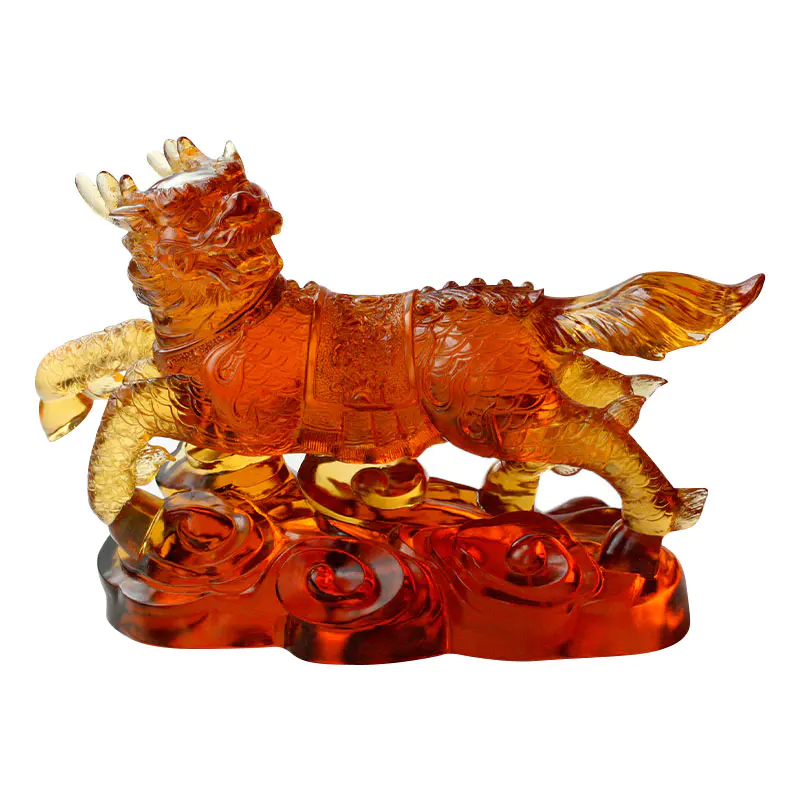
Art glass sculptures combine craftsmanship, creativity, and timeless beauty, making them highly desirable for collectors and interior designers alike. Each piece represents a unique blend of artistry and technique, offering both aesthetic and investment value. Their durability and vibrant colors allow them to remain visually striking for decades when properly cared for.
Collectors often seek art glass sculptures because they bring a sense of sophistication and individuality to spaces, whether displayed in homes, offices, or galleries.
Common Techniques in Creating Art Glass Sculptures
Art glass sculptures are created using a variety of glassblowing and sculpting techniques. Understanding these techniques helps collectors appreciate the craftsmanship behind each piece.
Blown Glass
Blown glass involves inflating molten glass into a bubble and shaping it with specialized tools. This technique allows for smooth curves and intricate forms. Many renowned art studios, such as :contentReference[oaicite:0]{index=0}, specialize in this traditional method.
Fused Glass
Fusing involves layering pieces of glass and heating them until they bond together. This technique allows artists to create vibrant colors and patterns that are impossible with a single layer of glass.
Cold Working
Cold working includes engraving, sandblasting, and polishing glass after it has cooled. This technique adds texture, detail, and refinement to sculptures, often complementing the natural fluidity of blown glass.
Popular Styles of Art Glass Sculptures
Art glass sculptures vary widely in style, ranging from abstract forms to realistic representations of nature. Each style reflects both the artist's vision and the technique used.
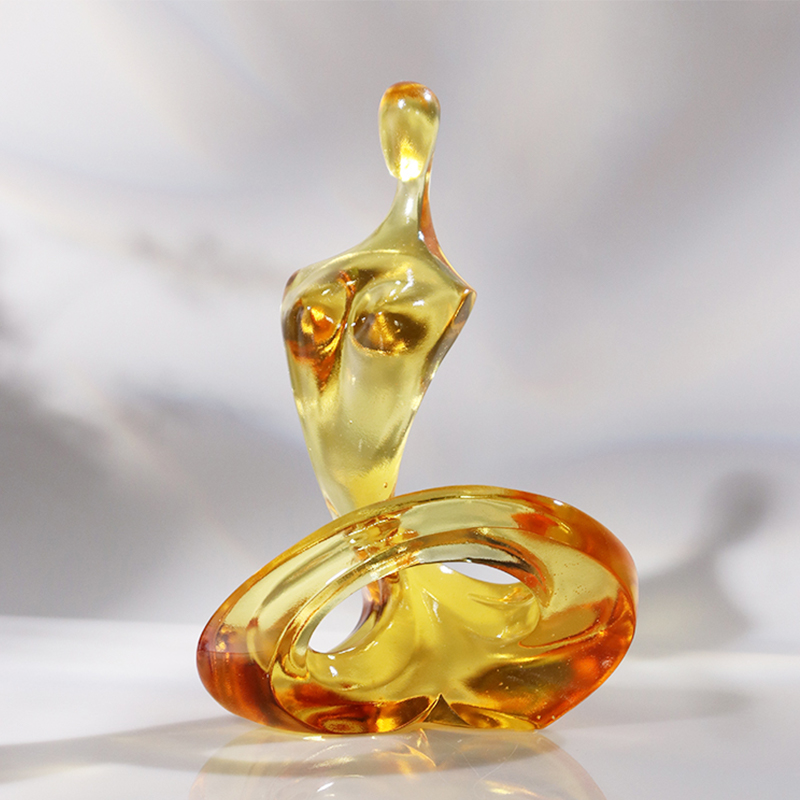
- Abstract: Focuses on form and color rather than recognizable objects, often using bold shapes and textures.
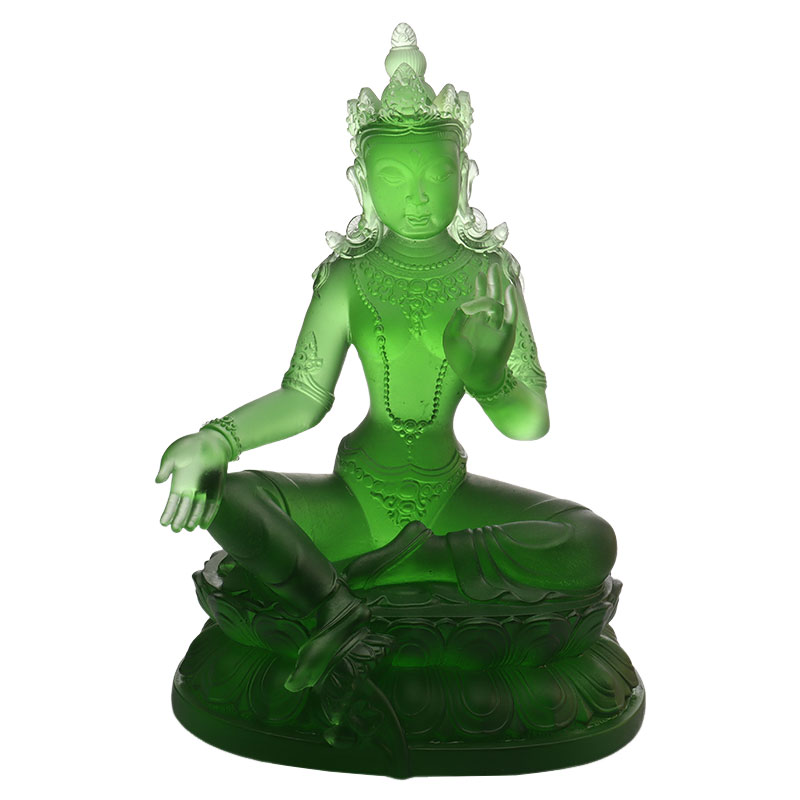
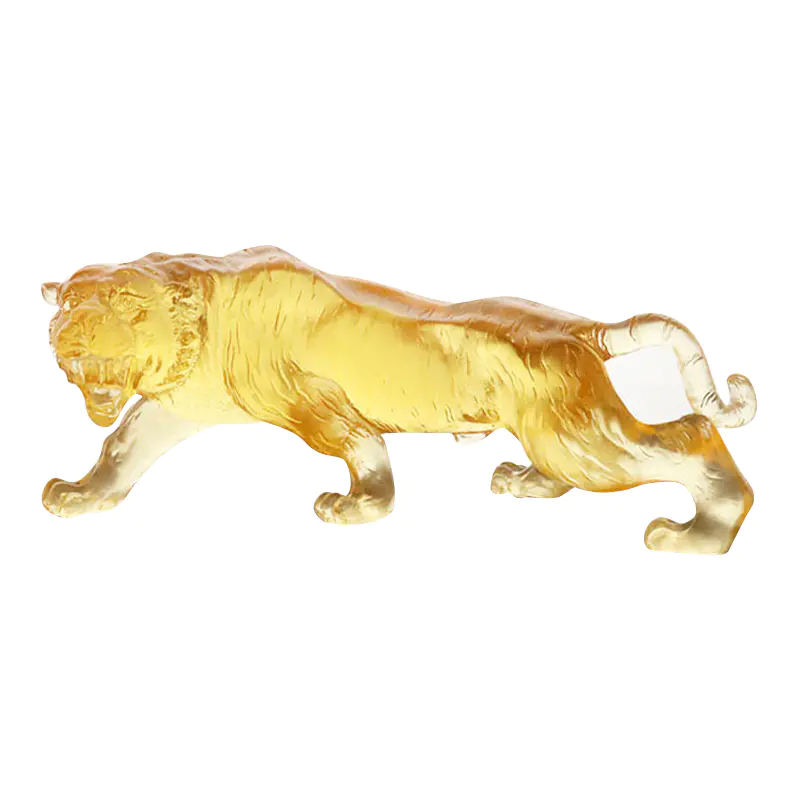
- Figurative: Represents humans, animals, or objects realistically, highlighting precision and intricate detail.
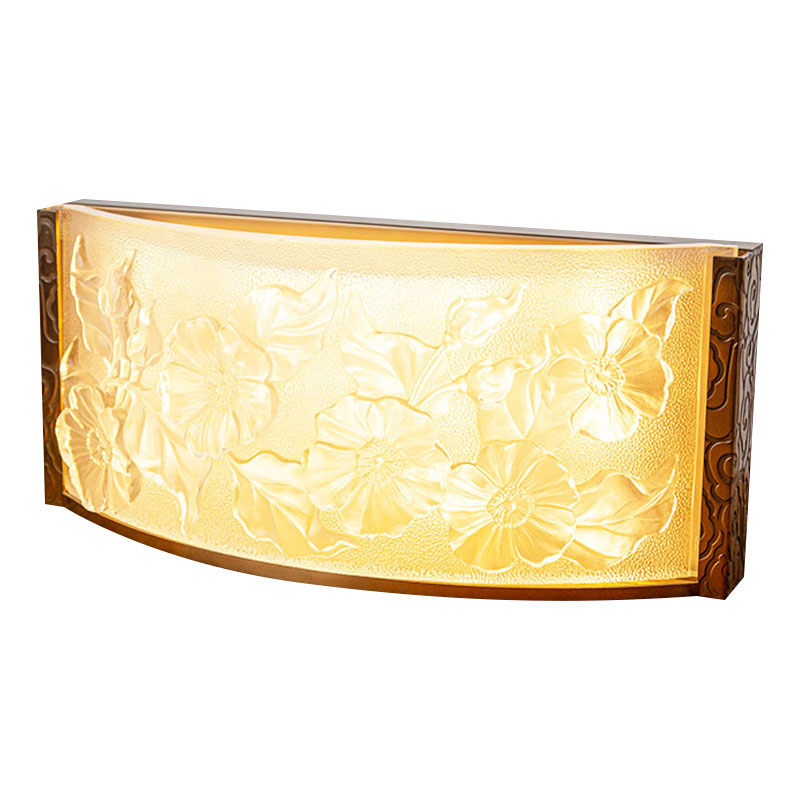
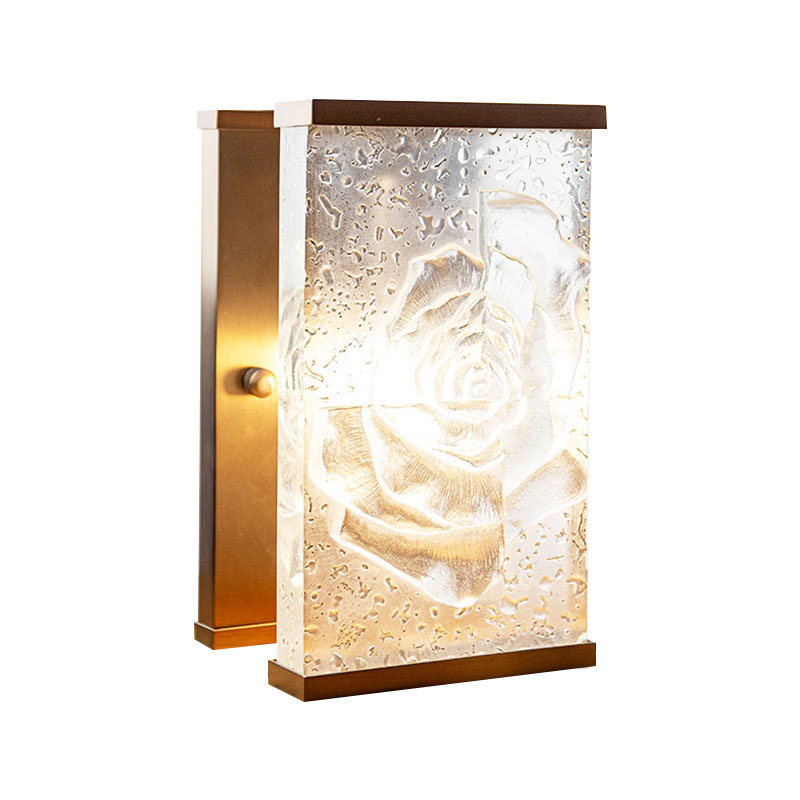
- Nature-Inspired: Captures elements such as flowers, water, or landscapes, emphasizing fluidity and color transitions.
- Decorative: Designed primarily for interior aesthetics, focusing on vibrant color palettes and dynamic forms.
Materials and Color Techniques
Art glass sculptures use a variety of materials and coloring methods to achieve desired visual effects. Artists often combine clear, colored, and metallic-infused glass to create depth and luminosity.
| Material | Properties | Usage |
|---|---|---|
| Borosilicate Glass | Heat-resistant, durable | Blown and fused sculptures |
| Crystal Glass | High clarity, refractive | Luxury decorative pieces |
| Colored Glass | Vibrant hues, layered effects | Abstract and nature-inspired sculptures |
Tips for Collecting Art Glass Sculptures
Collectors should evaluate art glass sculptures based on authenticity, artist reputation, technique, and condition. Provenance and limited editions often increase value significantly.
- Verify the signature or mark of the artist to ensure authenticity.
- Consider limited edition pieces for higher long-term value.
- Inspect the sculpture for cracks, chips, or imperfections.
- Understand the display requirements, such as light exposure and placement, to preserve color and clarity.
Conclusion
Art glass sculptures are a fusion of technique, color, and creativity, making each piece a unique work of art. With careful selection, understanding of materials, and appreciation of techniques, collectors and decorators can enjoy both aesthetic beauty and lasting value from these timeless creations.
 previous post