 中文繁体
中文繁体
 English
 Français

Lotus Leaf Glass Sculpture Ornaments: Art, Care & Selection Guide
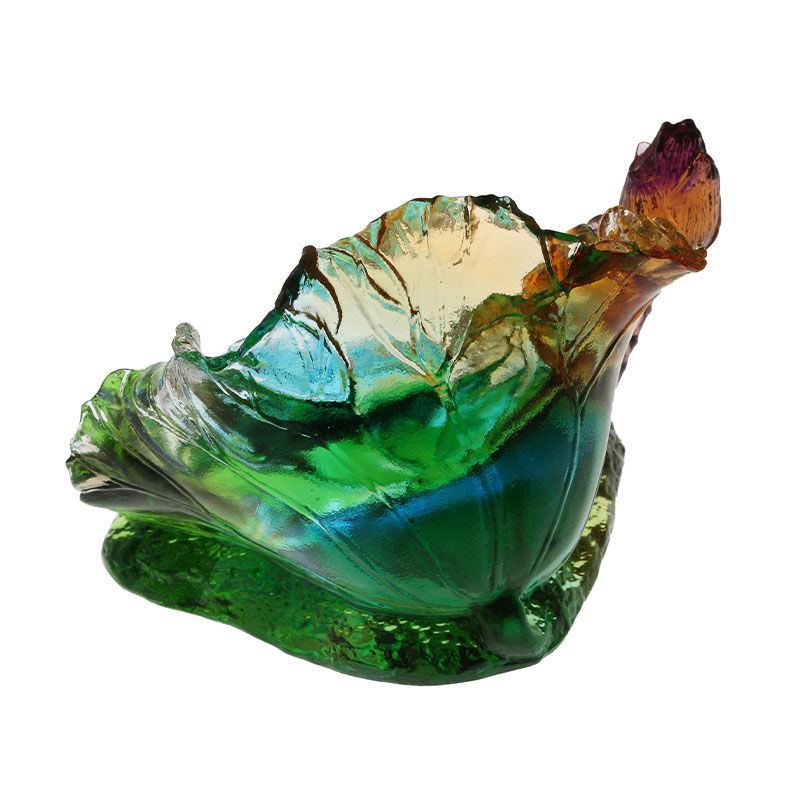
Lotus leaf glass sculpture ornaments are exquisite decorative pieces that capture the serene beauty of nature through transparent or colored molten silica. These artworks serve as sophisticated focal points in interior design, blending organic forms with modern craftsmanship. Whether hand-blown by master artisans or cast using precision molds, they offer a timeless aesthetic that enhances spaces with light, reflection, and symbolic tranquility.
Artistic Craftsmanship and Manufacturing Techniques
The creation of a lotus leaf glass sculpture involves specialized techniques that determine its final appearance, durability, and value. Understanding these methods helps collectors appreciate the nuances of each piece.
Hand-Blown Glass
In traditional hand-blowing, artisans gather molten glass on a blowpipe and shape it using tools and gravity. This method allows for unique variations in thickness and texture, mimicking the natural irregularities of real lotus leaves. Each hand-blown piece is one-of-a-kind, often featuring subtle air bubbles or swirls that add character. The process requires immense skill to maintain the delicate veins and curled edges characteristic of lotus foliage.
Kiln-Casting and Slumping
Kiln-casting involves placing glass chunks into a mold shaped like a lotus leaf and heating them until they melt and fill the cavity. This technique produces heavier, more solid sculptures with intricate details preserved from the mold. Slumping, on the other hand, involves heating a flat sheet of glass over a mold until it sags into the desired shape. Slumped pieces are typically thinner and lighter, ideal for wall hangings or shallow bowls.
Cold Working and Finishing
After the initial shaping, sculptures undergo cold working processes such as grinding, polishing, and sandblasting. These steps refine the edges, remove sharp points, and enhance transparency. Some artists apply acid etching to create matte textures that contrast with polished areas, highlighting the vein structures of the lotus leaf.
Symbolism and Interior Design Integration
Beyond their visual appeal, lotus leaf glass sculptures carry deep cultural significance and offer versatile styling options for various interior themes.
Cultural Symbolism
In many Asian cultures, the lotus represents purity, enlightenment, and rebirth, as it rises unstained from muddy waters. A glass lotus leaf ornament embodies these qualities through its clarity and resilience. Placing such a piece in a home or office is believed to promote calmness and mental clarity, making it a popular choice for meditation spaces and Zen-inspired designs.
Styling Strategies
To maximize the impact of a lotus leaf glass sculpture, consider these placement tips:
- Light Interaction: Position the sculpture near a window or under a spotlight to allow light to pass through the glass, creating dynamic shadows and reflections.
- Minimalist Settings: Use the sculpture as a standalone statement piece on a clean, uncluttered surface to emphasize its form and craftsmanship.
- Natural Pairings: Combine with natural elements like stone bases, driftwood, or live plants to enhance the organic theme.
- Color Coordination: Choose clear glass for modern, airy spaces or tinted glass (amber, green, blue) to complement existing color palettes.
| Interior Style | Recommended Glass Type | Placement Idea |
|---|---|---|
| Modern Minimalist | Clear, Smooth Finish | Center of Coffee Table |
| Zen/Japandi | Frosted or Textured | Low Shelf with Stone |
| Traditional/Classic | Amber or Green Tint | Mantelpiece Display |
| Eclectic/Bohemian | Multicolored or Swirled | Grouped with Other Art |
Maintenance and Care Guidelines
Proper care ensures that lotus leaf glass sculpture ornaments retain their brilliance and structural integrity over time. Glass is durable but susceptible to scratches, thermal shock, and chemical damage if mishandled.
Cleaning Procedures
Regular dusting with a soft microfiber cloth prevents buildup that can dull the surface. For deeper cleaning, use lukewarm water and a mild, non-abrasive dish soap. Avoid harsh chemicals like ammonia or bleach, which can degrade any applied coatings or adhesives. Dry thoroughly with a lint-free cloth to prevent water spots, especially on clear glass pieces.
Handling and Safety
Always handle glass sculptures with clean, dry hands to avoid transferring oils. If the piece has sharp edges or delicate protrusions, wear cotton gloves for added grip and protection. When moving the sculpture, support it from the base rather than holding thin sections like the leaf edges, which are more prone to breaking.
Environmental Considerations
Avoid placing glass ornaments in areas with extreme temperature fluctuations, such as near radiators or in direct sunlight for prolonged periods, as this can cause thermal stress and cracking. Ensure the display surface is stable and level to prevent accidental tipping. For valuable or antique pieces, consider using museum wax to secure the base to the shelf.
Selecting High-Quality Pieces
When purchasing a lotus leaf glass sculpture, several factors indicate quality and authenticity. Knowing what to look for helps investors and decorators make informed choices.
Inspecting Clarity and Bubbles
While small bubbles can be a charming hallmark of hand-blown glass, excessive cloudiness or large voids may indicate poor manufacturing control. High-quality clear glass should be transparent and free from significant distortions unless intentionally designed otherwise. Check for uniformity in color if the piece is tinted.
Examining Finish and Edges
Run your fingers gently along the edges to ensure they are smooth and well-finished. Rough or sharp edges suggest inadequate cold working. The surface should feel consistent, without unexpected bumps or pits. For painted or coated pieces, verify that the finish is even and securely bonded.
Verifying Artist or Brand Reputation
Purchase from reputable galleries, established brands, or directly from known artists. Authentic pieces often come with certificates of authenticity or artist signatures etched into the glass. Investing in recognized artisans not only ensures quality but also potential appreciation in value over time. Read reviews and ask about return policies to protect your purchase.
Lotus leaf glass sculpture ornaments represent a harmonious blend of natural inspiration and artistic innovation. By understanding the craftsmanship, integrating them thoughtfully into your space, and maintaining them with care, these pieces can provide enduring beauty and serenity. Whether chosen for their symbolic meaning or aesthetic allure, they remain a testament to the transformative power of glass art in contemporary living.
 previous post