
 中文繁体
中文繁体
 English
 Français

How Does Crystal Glass Decoration Enhance Visual Depth and Light?
The Growing Influence of Crystal Glass Decoration in Modern Design
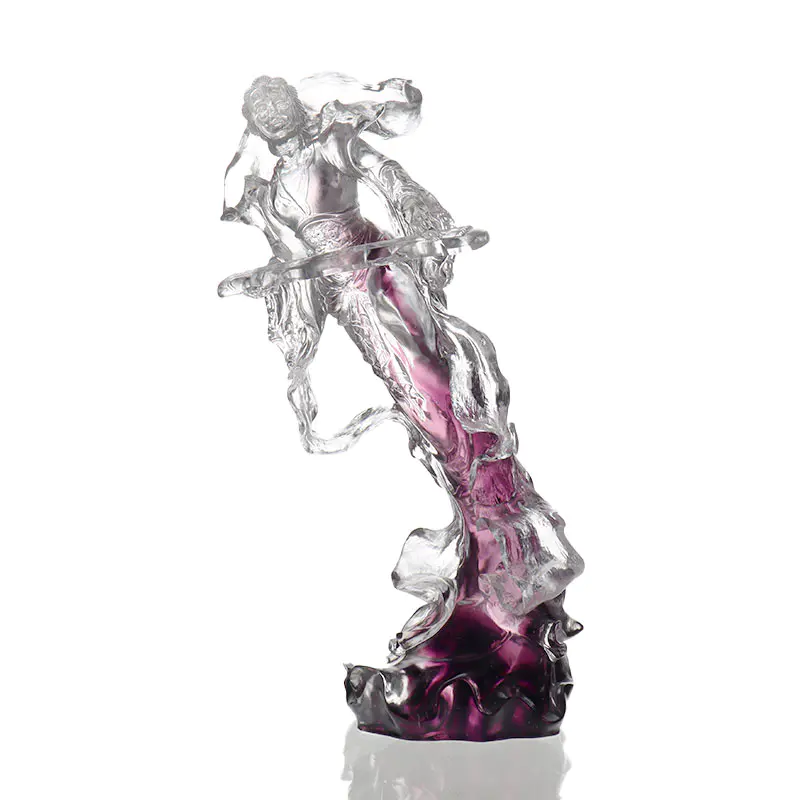
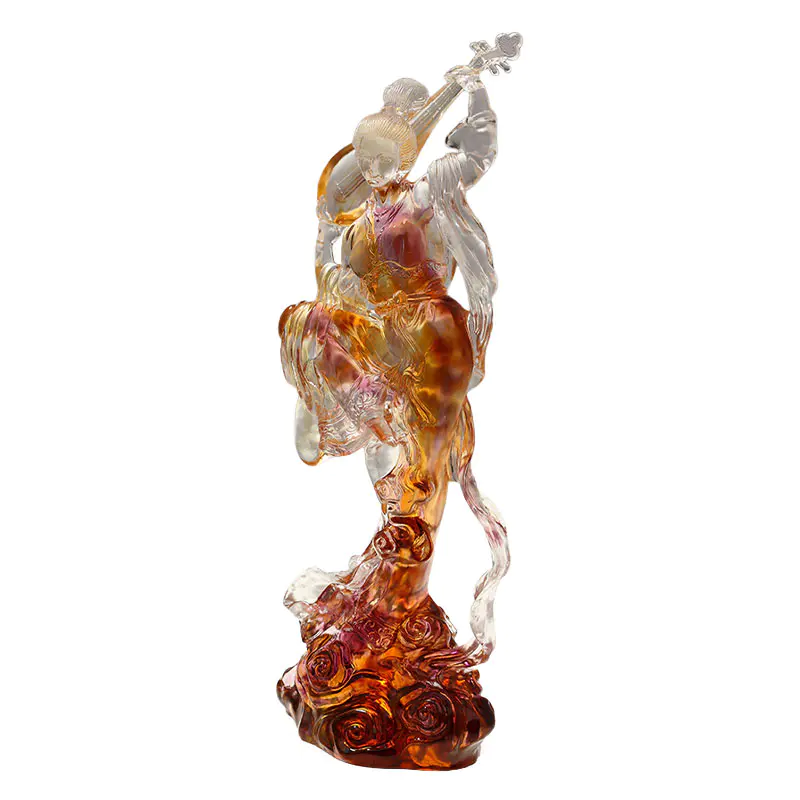
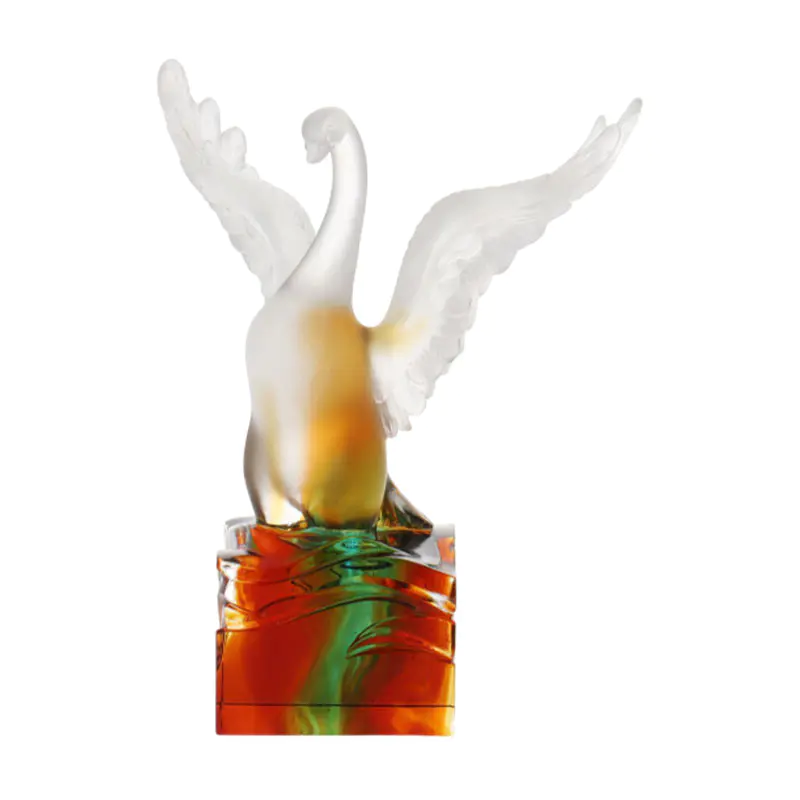
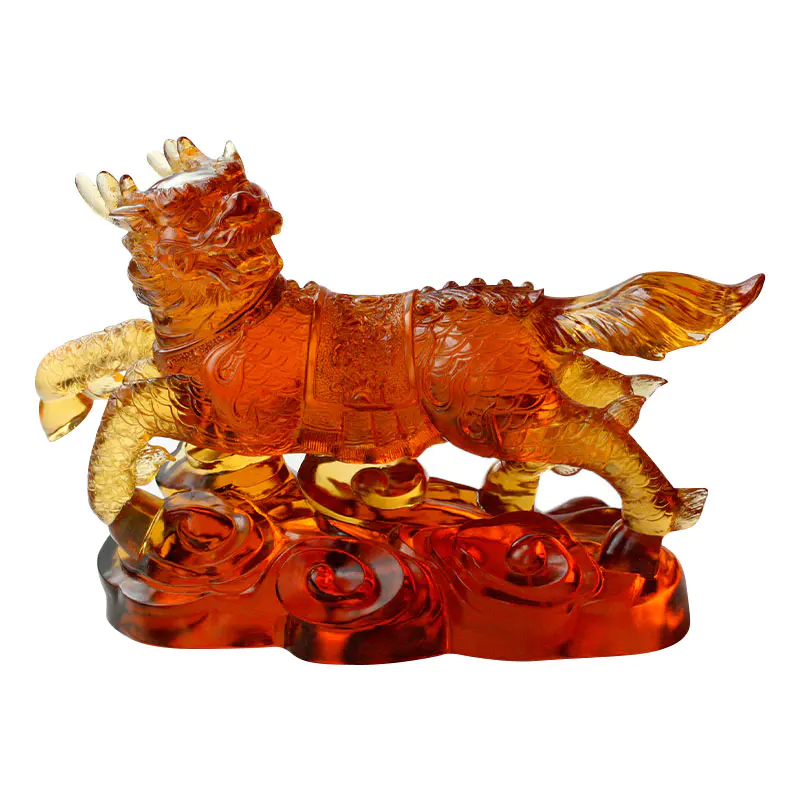
Crystal glass decoration has become an increasingly prominent element in contemporary interior and architectural design. Valued for its clarity, brilliance, and light-interacting properties, crystal glass is no longer limited to chandeliers or luxury ornaments. Designers now incorporate it into walls, partitions, furniture accents, and decorative panels to enhance visual depth and optimize light distribution within a space.
Unlike ordinary glass, crystal glass contains refined materials that increase its refractive index. This characteristic allows it to bend, scatter, and amplify light in ways that create layered visual effects, making spaces feel more open, dynamic, and refined.
How Crystal Glass Interacts With Light
The ability of crystal glass decoration to enhance light begins with its physical properties. High transparency combined with precise surface finishing enables crystal glass to capture light from both natural and artificial sources. Once light enters the glass, it is refracted and reflected multiple times, producing sparkle and depth.
These optical effects prevent light from appearing flat or static. Instead, illumination becomes layered and directional, subtly changing throughout the day as light sources shift. This dynamic quality is one of the key reasons crystal glass decoration is favored in high-end interiors.
Reflection and Refraction Effects
Crystal glass decoration enhances visual depth by combining reflection and refraction. Reflection bounces light across surfaces, increasing brightness, while refraction bends light to create highlights and internal glow. Together, these effects add dimensionality that standard decorative materials cannot achieve.
Creating Visual Depth Through Layering
Visual depth in interior spaces is often achieved through contrast, transparency, and layered materials. Crystal glass decoration excels in all three areas. Its transparent or semi-transparent nature allows designers to layer spaces without blocking light or sightlines.
For example, crystal glass panels used as room dividers maintain openness while visually separating areas. Light passing through these panels creates overlapping reflections that add a sense of depth, making interiors feel more expansive and engaging.
Enhancing Spatial Perception
In smaller or enclosed spaces, crystal glass decoration can visually expand boundaries. By allowing light to penetrate and reflect, it reduces shadows and dark corners, which often make rooms feel confined. The result is a more balanced and proportionate spatial perception.
Applications That Maximize Light Enhancement
Crystal glass decoration is highly versatile and can be applied in numerous ways to enhance light quality. Its effectiveness depends largely on placement, surface treatment, and surrounding materials.
- Wall panels that reflect ambient light and create subtle highlights
- Decorative partitions that divide spaces without blocking illumination
- Furniture accents that introduce sparkle and visual contrast
- Ceiling or lighting elements that amplify artificial light sources
Each application uses crystal glass decoration not merely as ornamentation, but as a functional tool for light management and spatial enhancement.
Surface Treatments and Their Visual Impact
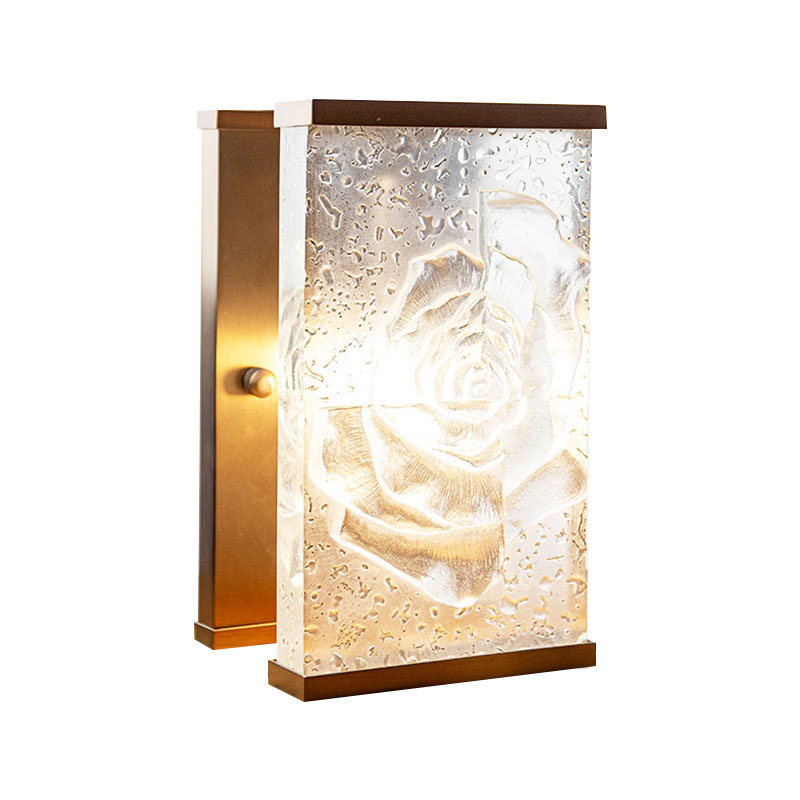
The surface finish of crystal glass decoration significantly affects how light behaves. Smooth, polished surfaces maximize clarity and brilliance, while textured or faceted finishes scatter light in multiple directions, producing softer and more complex visual effects.
Designers often select surface treatments based on the desired atmosphere. Highly polished crystal glass enhances brightness and luxury, whereas patterned finishes introduce subtle diffusion and visual interest without overwhelming the space.
Comparing Crystal Glass With Other Decorative Materials
When evaluating decorative materials for light enhancement, crystal glass offers distinct advantages over alternatives such as metal, wood, or standard glass. Its optical properties allow it to perform both decorative and functional roles.
| Material | Light Transmission | Visual Depth |
| Crystal Glass | High | Strong |
| Standard Glass | Moderate | Limited |
| Metal | Low | Reflective Only |
Balancing Light Enhancement With Practical Design
While crystal glass decoration enhances visual depth and light, balance is essential. Excessive use can create glare or visual clutter. Successful designs integrate crystal glass thoughtfully, pairing it with neutral surfaces and controlled lighting.
Proper lighting placement ensures that crystal glass elements enhance rather than dominate the space. Diffused lighting often works best, allowing reflections to remain elegant and understated.
Maintenance and Long-Term Visual Performance
To sustain its light-enhancing properties, crystal glass decoration requires regular maintenance. Dust, fingerprints, and residue can reduce clarity and diminish reflective performance. Fortunately, smooth crystal surfaces are relatively easy to clean with proper care.
When maintained correctly, crystal glass retains its brilliance over time, ensuring consistent visual depth and lighting quality throughout the life of the interior.
Conclusion: How Crystal Glass Decoration Enhances Visual Depth and Light
Crystal glass decoration enhances visual depth and light through a unique combination of transparency, reflection, and refraction. Its ability to interact dynamically with light sources transforms static spaces into visually layered environments.
By applying crystal glass strategically and balancing it with complementary materials, designers can achieve brighter, deeper, and more engaging spaces. As both a decorative and functional element, crystal glass decoration continues to play a vital role in modern interior design.
 previous post