
 中文繁体
中文繁体
 English
 Français

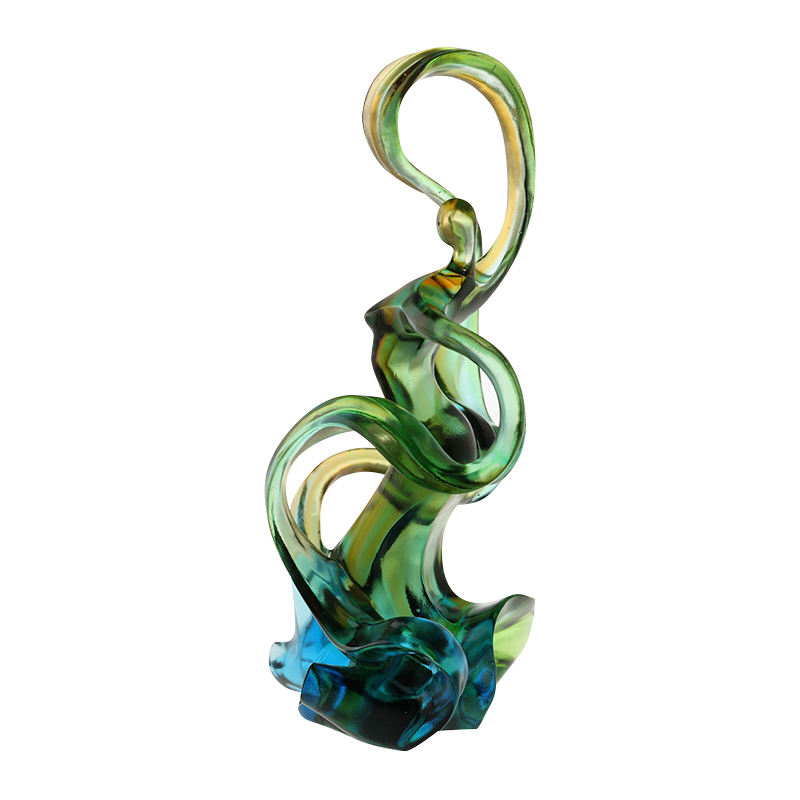
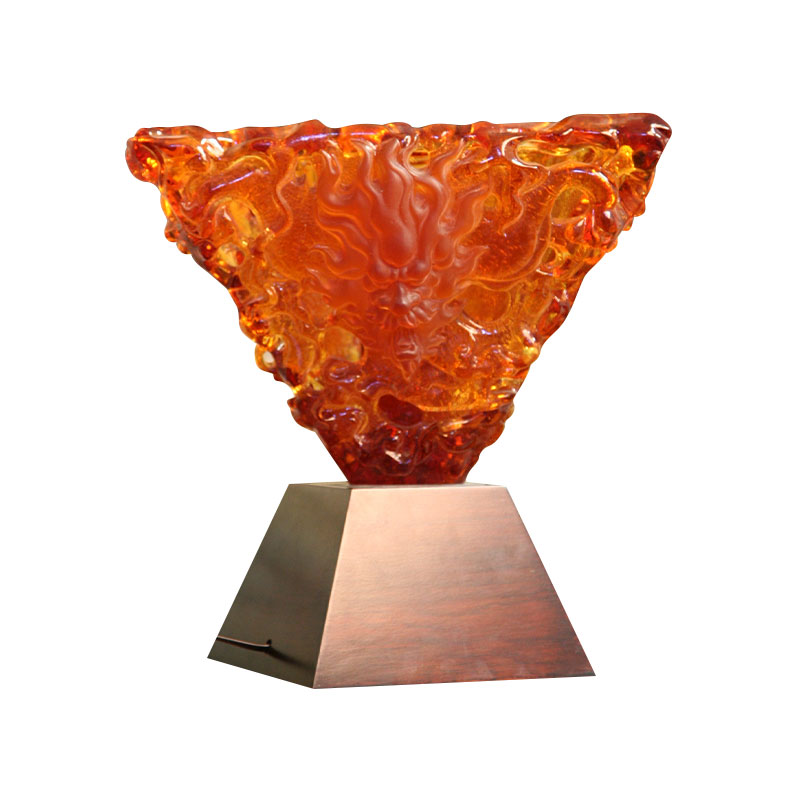
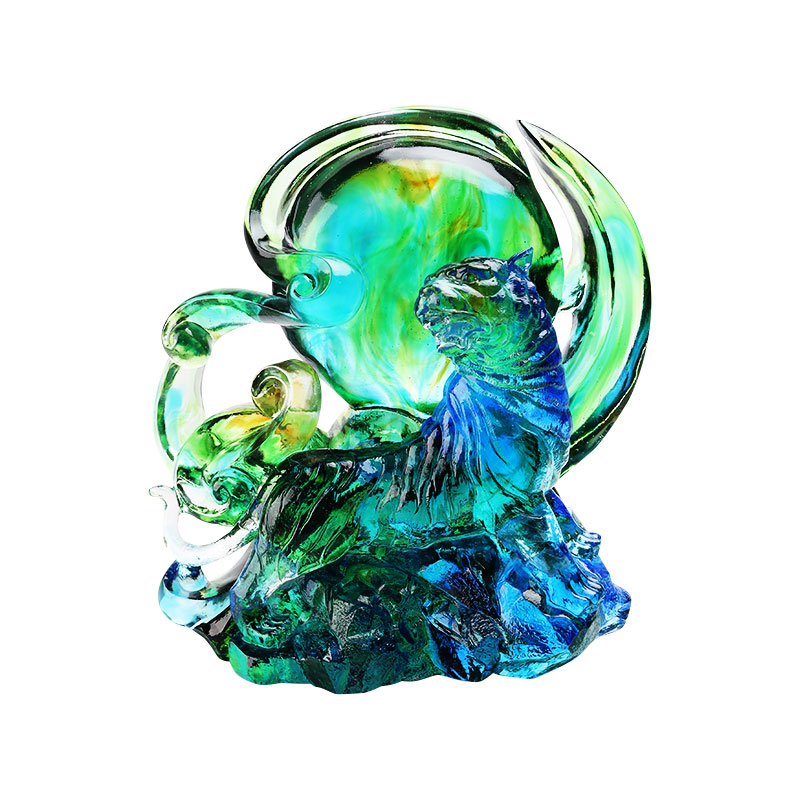
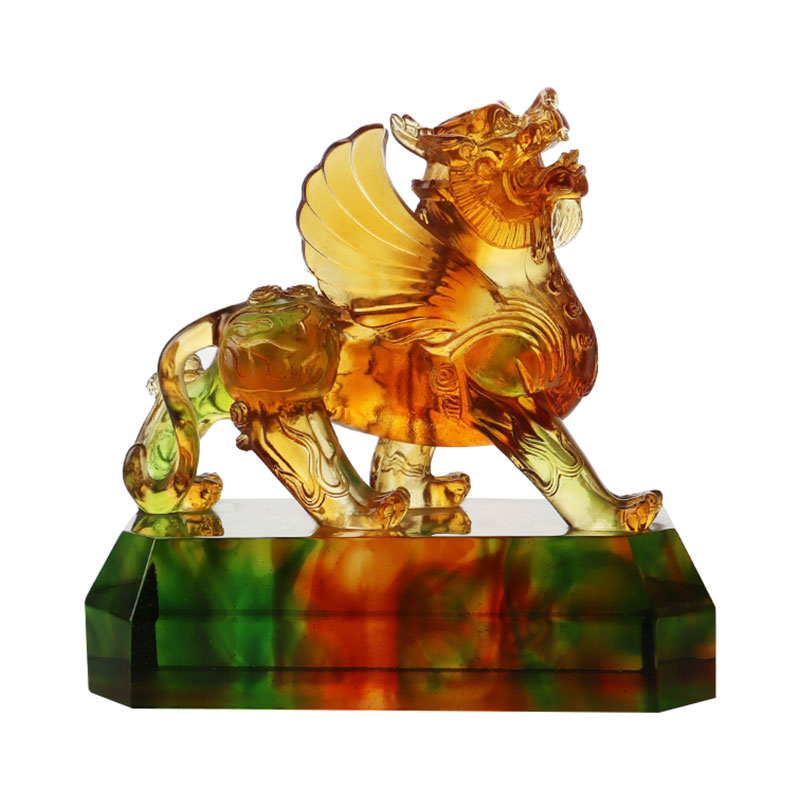
Crystal Glass Decoration's innovation promotes the advantages of home decorations.
Introduction: innovation as a growth engine
Innovation in crystal glass decoration is no longer limited to artisan studios and luxury chandeliers. Advances in materials, application methods and digital customization have broadened product ranges, lowered per-unit costs, and created new retail channels. These changes are directly boosting home-decor sales by making distinctive crystal accents accessible, timely, and appealing to a larger consumer base. This article examines practical innovations, market effects, and step-by-step strategies for manufacturers, designers and retailers to capitalize on this momentum.
Material and process innovations
Modern crystal glass decoration benefits from two parallel technical trends: improved base materials and more efficient surface treatments. Lead-free crystal formulations maintain high refractive index while meeting regulatory and sustainability requirements. Tempering and chemical strengthening reduce breakage rates during shipping and installation, lowering return costs and increasing retailer confidence in offering fragile items online.
New surface techniques that cut costs and add value
Laser etching, precision sandblasting, and low-temperature sputtered metallic coatings enable intricate patterns and durable finishes at scale. These methods allow manufacturers to replace labor-intensive hand-cutting with repeatable, fast cycles, reducing lead times and per-piece variability. The visible result is consistent sparkle, clean edge definition, and decorative complexity once possible only in bespoke pieces.
Digital customization and mass personalization
Consumers increasingly expect bespoke options. Digital tooling — CAD-driven patterning, laser marking and on-demand CNC polishing — enables mass-personalization where each unit can carry a unique motif, monogram, or color gradient without large setup costs. This transition converts crystal pieces from commodity décor into personalized keepsakes, raising perceived value and selling price.
E-commerce integration
Retailers that integrate online configurators (3D previews, repeat-order templates) see higher conversion rates for decorative crystal items. Shoppers can preview etchings, choose metal trims or lighting options, and visualize scale in-room. This reduces hesitation on high-ticket items and shortens the consideration cycle, which directly increases average order value (AOV).
Lighting and smart integration
Crystal decoration now intersects with lighting technology. Low-heat LEDs, micro-optics and fiber-lighting permit crystal panels and decorative trims to be illuminated without damage. Smart lighting integration — color-temperature control and app-driven scenes — lets homeowners change the crystal's visual impact dynamically, creating recurring engagement rather than a one-time purchase.
Retail implications
Retail displays that demonstrate dynamic lighting effects increase dwell time and conversion. Bundling crystal decor with smart bulbs or controllers can lift margins while providing an easy upsell path for sales associates or web checkouts.
Sustainability and regulatory shifts
Sustainability matters to modern buyers. Lead-free crystal, recycled glass content and low-emission finishing processes resonate with eco-conscious consumers and institutional buyers. Certifications and transparent supply-chain claims (recycled content percentage, VOC limits in coatings) become marketing differentiators that support premium pricing and longer-term brand loyalty.
Practical steps for compliance and story-telling
- Audit raw-material sources and document recycled-content ratios for product pages and tags.
- Adopt low-VOC finishing processes and collect test reports to share with trade buyers.
- Use clear labeling (e.g., “Lead-free crystal, 30% recycled glass”) to support premium placement with green retailers.
Market channels and retail strategies
The commercial mix of sales channels for crystal decoration is shifting. Direct-to-consumer (DTC) and marketplace channels capture personalization demand, while trade-focused B2B channels supply hospitality and high-volume remodel projects. Omnichannel retailers that combine experiential showrooms with strong online configurators capture both impulse and considered purchases.
Practical merchandising tactics
- Create modular demo kits that illustrate finishes and lighting effects for showroom use.
- Offer tiered personalization: free monogramming on premium SKUs, paid complex etching on bespoke orders.
- Provide clear shipping and packaging guarantees to reduce customer returns on fragile items.
Example impact table: innovation to sales outcomes
| Innovation | Primary Sales Impact | Retail Tactic |
| Digital personalization | +15–30% AOV | Online configurator & premium SKUs |
| LED/light integration | Higher conversion in showrooms | Demo displays & bundled kits |
| Sustainable materials | Price premium & brand loyalty | Certification & marketing labels |
Implementation roadmap for makers and retailers
A practical rollout begins with product-line segmentation: identify one or two SKUs for personalization, one demo-enabled lighting SKU, and a sustainable-claim flagship. Invest in a basic online configurator and partner with a local contract manufacturer for low-volume bespoke orders. Train sales staff on lighting demos and prepare packaging to reduce transit breakage. Finally, track KPIs: AOV, conversion rate, return rate and margin lift attributable to personalized or lit SKUs.
Conclusion: turning decorative brilliance into repeatable revenue
Innovations in crystal glass decoration have moved beyond novelty into scalable business advantage. By combining material advances, digital personalization, lighting integration and sustainable claims, manufacturers and retailers can command higher prices, shorten purchase cycles and increase customer loyalty. The key is practical, phased implementation: pilot personalization, demonstrate lighting in real environments, and tell a transparent sustainability story — then scale the tactics that move the metrics.
 previous post