
 中文繁体
中文繁体
 English
 Français

Crystal Glass Decoration Guide: Types, Care & Styling Tips
Crystal glass decoration transforms ordinary interiors into spaces of refined elegance, offering a unique interplay of light, clarity, and weight that standard glass cannot replicate. Unlike soda-lime glass, true crystal contains minerals such as lead oxide or magnesium, which increase its refractive index and density. This results in the characteristic sparkle and resonant "ring" when tapped, making it a preferred choice for chandeliers, vases, figurines, and premium tableware. For collectors and homeowners, understanding the distinction between full lead crystal, lead-free crystal, and standard glass is essential for making informed purchasing decisions and ensuring proper care.
The appeal of crystal lies not just in its aesthetic brilliance but in its craftsmanship. Hand-cut crystal pieces feature intricate facets that catch and disperse light, creating rainbow-like prisms. Whether used as a centerpiece on a dining table or as a statement lighting fixture, crystal decorations add a layer of sophistication and timeless beauty. However, their durability and maintenance requirements differ significantly from regular glass, necessitating specific handling techniques to preserve their luster and structural integrity.
Understanding Crystal Composition and Quality
Not all "crystal" is created equal. The term is often used loosely in marketing, but regulatory standards and material composition define its true quality. The primary differentiator is the presence of metal oxides, which enhance the glass's physical properties.
Lead Crystal vs. Lead-Free Crystal
Traditional full lead crystal contains at least 24% lead oxide. This high concentration provides maximum refraction, weight, and softness, allowing for deep, precise cuts. It produces a distinct, long-lasting ring when struck. However, due to health concerns regarding lead leaching, many modern manufacturers have shifted to lead-free alternatives.
Lead-free crystal typically uses magnesium, zinc, or barium oxides. While slightly less refractive than lead crystal, high-quality lead-free options still offer superior clarity and brilliance compared to standard glass. They are harder, more durable, and dishwasher safe, making them practical for daily use while maintaining a luxurious appearance.
| Type | Key Ingredient | Refractive Index | Best Use |
|---|---|---|---|
| Full Lead Crystal | ≥24% Lead Oxide | Very High (1.545+) | Decorative Objects, Fine Stemware |
| Lead-Free Crystal | Magnesium/Zinc Oxide | High (1.520-1.540) | Daily Tableware, Modern Decor |
| Standard Glass | Soda-Lime | Low (1.500) | Windows, Basic Containers |
Craftsmanship: Cut vs. Molded Crystal
The value and visual impact of crystal glass decoration are heavily influenced by the manufacturing method. Two primary techniques dominate the market: hand-cutting and mold-pressing.
Hand-Cut Crystal
Hand-cutting is an artisanal process where skilled craftsmen use rotating stone wheels to carve facets into the crystal. This method allows for sharp, precise edges that maximize light refraction. Each piece is unique, with slight variations that attest to its handmade nature. Hand-cut crystal is significantly more expensive due to the labor intensity and waste material generated during cutting. It is the preferred choice for high-end decorative items like chandeliers, prisms, and luxury decanters.
Mold-Pressed Crystal
Mold-pressed crystal is formed by pouring molten glass into a mold. This method is faster and more cost-effective, making it accessible for mass-market decor. While modern molds can produce intricate patterns, the edges are typically softer and less defined than hand-cut pieces. The refractive quality is lower because the surface is not as sharply faceted. However, for large decorative bowls or everyday items, molded crystal offers a compelling balance of aesthetics and affordability.
Care and Maintenance Guidelines
Preserving the brilliance of crystal glass decoration requires specific care routines. Improper cleaning can lead to cloudiness, scratches, or even structural damage due to thermal shock.
- Hand Washing Only: Avoid dishwashers for lead crystal, as harsh detergents and high heat can etch the surface and weaken the structure over time. Use lukewarm water and a mild, non-abrasive detergent.
- Drying Techniques: Dry immediately with a lint-free microfiber cloth to prevent water spots. Polishing gently enhances the shine and removes any residual streaks.
- Temperature Sensitivity: Never expose crystal to sudden temperature changes. Pouring boiling water into a cold crystal vase can cause it to crack. Always bring items to room temperature before use.
- Storage: Store crystal items separately to prevent chipping. Use acid-free tissue paper or soft cloth dividers if stacking is necessary. Avoid storing in humid areas to prevent haze formation.
For stubborn cloudiness or mineral deposits, a gentle soak in a solution of white vinegar and water can restore clarity. Avoid using abrasive scrubbers or harsh chemicals like bleach, which can permanently damage the surface finish.
Styling Crystal in Modern Interiors
Integrating crystal glass decoration into contemporary homes requires a balanced approach to avoid a dated or overly formal look. When used strategically, crystal adds texture, light, and a touch of luxury without overwhelming the space.
Lighting and Reflection
Crystal thrives in well-lit environments. Place crystal vases or sculptures near windows or under direct lighting to maximize their refractive properties. A crystal chandelier remains a classic choice for dining rooms, but modern designs with minimalist lines can complement industrial or Scandinavian interiors. The key is to let the light do the work, creating dynamic shadows and rainbows that change throughout the day.
Mixing Textures
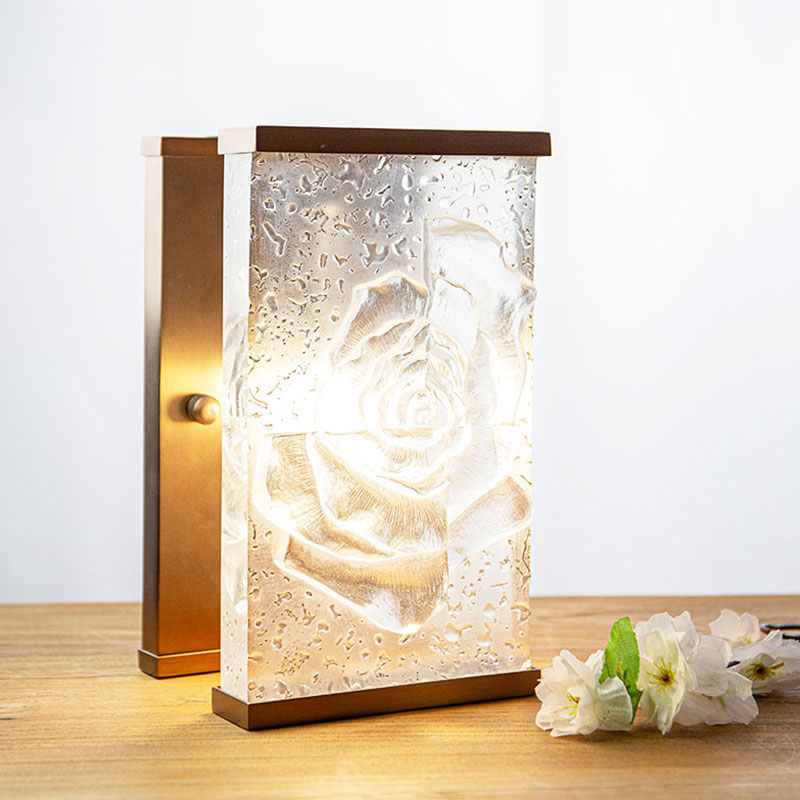
Contrast the smooth, hard surface of crystal with softer, matte textures like wood, linen, or concrete. For example, a cut crystal bowl on a rustic wooden table creates a striking visual juxtaposition. This mixing of materials prevents the space from feeling too sterile or formal, grounding the elegance of the crystal in a lived-in, welcoming atmosphere.
 previous post