 中文繁体
中文繁体
 English
 Français

Benefits of Wearing Jade: Protection, Wealth, Calm, and Cultural Meaning
Plenty of people buy their first piece of jade for one simple reason: protection. The old Chinese saying goes like this: you look after jade for three years, and jade looks after you for a lifetime. What does that actually mean in daily experience? The benefits of wearing jade come from three layers working together. The stone gives a cool, smooth physical sensation. The culture supplies a framework of meaning. Your own attention gives it power. None of this requires mysticism, and all of it is observable.
Jade Is Actually Two Different Minerals
Nephrite and jadeite are both sold as jade, but they are different minerals. Nephrite is the older Chinese stone, mined for thousands of years in the mountains of Xinjiang. Its tough, fibrous structure suited it for tools and ceremonial weapons as much as for jewelry. Jadeite, the stone Western buyers usually picture, only became preferred in the eighteenth century when Burmese deposits reached the Chinese court. It is harder, more translucent, and can achieve vivid greens that nephrite cannot.
Nephrite ranges from cream to muted olive green, while jadeite can reach the imperial green collectors prize. Hardness matters in daily wear. Nephrite scores 6 to 6.5 on the Mohs scale yet resists breaking thanks to interlocking fibers. Jadeite scores 7, making it harder but more likely to crack on impact. This helps explain why Chinese carvers traditionally favored nephrite for protective amulets meant to last a lifetime.
Protection, Calm, and the Power of Touch
The protective benefit is the oldest claim attached to jade, and it deserves a fair hearing. Parents in many Chinese families place a jade bangle on a baby girl or a pendant on a boy shortly after birth. Adults wear jade through job interviews, long flights, and hospital visits, not because they expect the stone to deflect a blade, but because it steadies the mind.
That effect is sensory as well as cultural. Jade is noticeably cool when it first touches the skin and warms slowly rather than instantly. Touching a smooth stone during a stressful moment gives the nervous system a simple anchor, like the breathing exercises therapists teach. After a few weeks of wearing a bangle, the habit of rotating it around the wrist becomes a private reset button.
Psychologists would call this a somatic anchor. It does not change the problem, but it changes how the wearer responds to it. Steady posture, a calmer voice, fewer spiraling thoughts: that is the real, non-supernatural way jade protects.
Wealth, Status, and the Social Signal
Jade has carried prosperity meaning in China since the Neolithic era, when jade axes and ceremonial disks symbolized rank and divine approval. By the Han dynasty, emperors were buried in suits made of thousands of jade plaques wired with gold. The message was clear: jade belonged to rulers.
The symbolism has widened but not weakened. A pendant carved as a gold ingot or a pair of fish means abundant wealth. A bangle given by a parent or senior colleague conveys stability and care. In business settings across East and Southeast Asia, a fine jade bracelet on one wrist works like a fine watch on the other: it signals that you are established, detail-oriented, and dependable.
Entering a room with a piece that carries a story and status is a real confidence advantage. It changes posture, preparation, and persistence. That is why the luck benefit of jade survives even among people who never use the word metaphysical.
Beauty, Comfort, and Everyday Wear
Jade jewelry earns its place because it feels good and looks good without demanding attention. A bangle clicks softly against a desk while you type, reminding you it is there. A pendant stays cool behind your collar. Earrings in a soft green tone refresh the face without fighting your outfit.
The polish matters as much as the color. Both nephrite and jadeite take a glazed finish that feels the way glazed porcelain looks: dense, slick, and smooth. That texture is hard to imitate in plastic and easy to appreciate when you turn the piece in your hand.
The price, however, pushes many buyers toward alternatives. Imperial green jadeite of high quality can cost hundreds of dollars per gram, and lower-grade stones are often dyed or polymer-impregnated to improve color. For a first piece, or for travel, colored crystal glass is a sensible substitute with the same visual language at a small fraction of the cost. A manufacturer with two decades of glass art experience, JM-ARTFAMILY, builds its jewelry lineup around exactly this approach: giving buyers the look and feel of colored stone without the collector price.
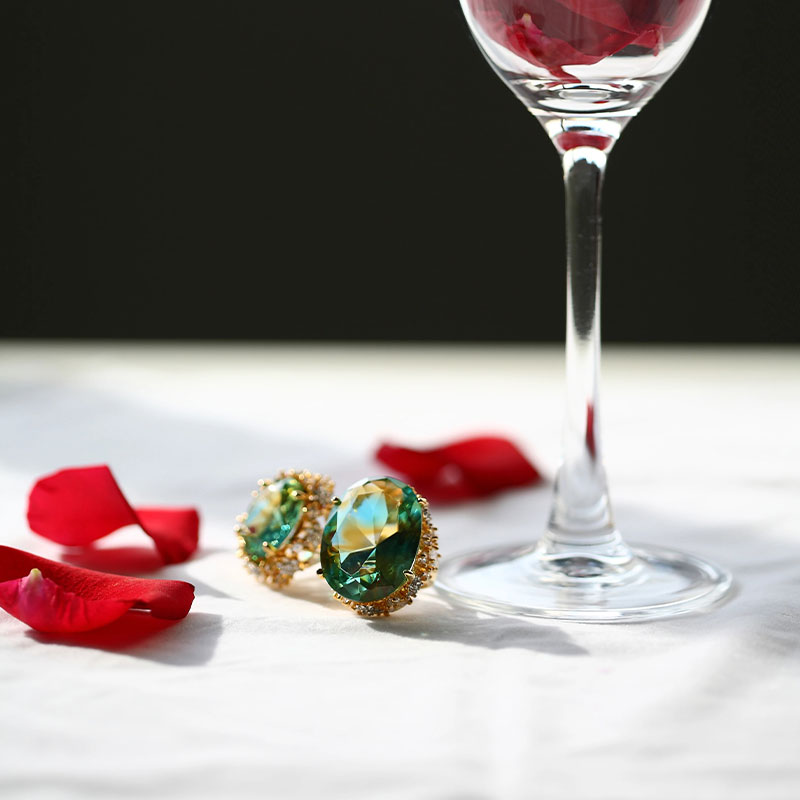 Green Glass Earrings with Golden Ear PadsThese earrings offer the look of jade at a fraction of the cost, making them a practical first piece or travel-friendly accessory. Their green glass and warm gold finish suit daily wear.View Product →
A pair of green glass earrings with golden ear pads is a good starting point: it gives you the color and finish of jade at a price that makes daily rotation painless.
What Science Can and Cannot Confirm
Let us be honest about evidence. No peer-reviewed study has shown that jade transfers healing energy or that its trace elements absorb through skin. A polished gemstone at room temperature is chemically stable and effectively inert. Positive results in crystal healing studies are usually attributed to expectation, suggestion, and improved mood, not to the stones themselves.
That conclusion does not empty jade of value. Decades of placebo research show that beliefs can measurably change pain perception, stress levels, and performance. If wearing jade makes you feel calmer, you will be calmer. If the cultural weight of a pendant tells you to choose words carefully, you will choose them carefully. These are real outcomes.
Jade also has one verifiable material advantage. Nephrite is genuinely tough; Neolithic communities shaped it into axeheads because it survived heavy blows. A nephrite bangle can absorb the bumps of ordinary life better than many brittle gemstones. The technical behavior of stone-like glass, a close relative in the decorative arts, is explained in this complete guide to art glass sculptures.
Natural Jade or Colored Crystal Glass: A Practical Comparison
Before paying a premium for natural jade, decide what you want from the piece. If cultural history and authenticity matter most, jade is the right call. If you want a green stone-like piece that looks good and survives daily life, colored crystal glass is legitimate. The table below is a checklist for honest decision-making.
| Factor | Natural Jade | Colored Crystal Glass |
|---|---|---|
| Price | High; rare grades are expensive | Accessible and consistent |
| Green tones | Subtle and varied | Vivid and repeatable |
| Durability | Tough (nephrite), harder (jadeite) | Hard but needs impact protection |
| Cool touch | Strong and slow to warm | Moderate, warms faster |
| Cultural weight | Deep ritual and history | Modern and versatile |
| Care effort | Rinse and pat dry | Wipe with a soft cloth |
Nothing in the table argues against jade; it simply separates heritage value from everyday practicality. First-time buyers often start with glass to test whether a green stone suits their skin, wardrobe, and routines.
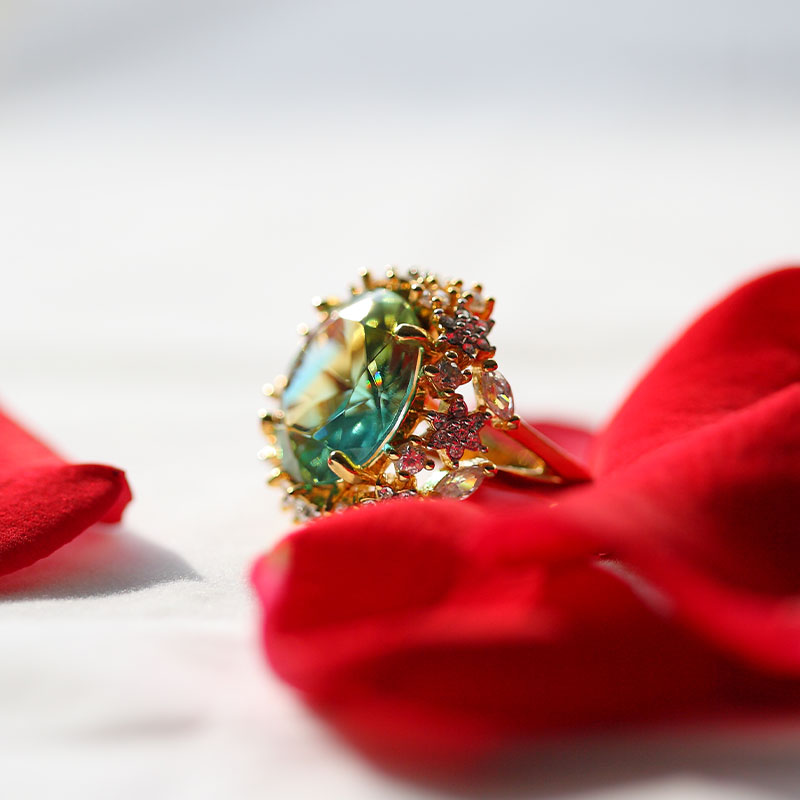 Ovl Green Elegant Glass RingA green glass ring is a good way to test whether the color flatters your skin and wardrobe before investing in real jade. Its design fits both daily and formal settings.View Product →
That is a sensible way to learn the category before committing to a major purchase.
How to Wear and Care for Any Green Stone
Caring for jade takes two minutes, and the same habits keep colored glass beautiful for years.
- Put your jewelry on after applying lotion, perfume, or hairspray, so the stone never rests in a film of chemicals.
- Rinse jade under lukewarm water and pat it dry. Do not use ultrasonic cleaners or hot water, which can damage treated stones.
- Store pieces separately in soft pouches or a lined box. Nephrite is tough, but a knock against metal can chip any polished surface.
- Remove bangles and rings before heavy lifting, gardening, or gym work. That is not a superstitious taboo; it is common sense.
Those habits work for colored crystal glass as well, which is one reason glass jewelry makes a practical travel companion. If a piece breaks or disappears on a trip, replacement is simple.
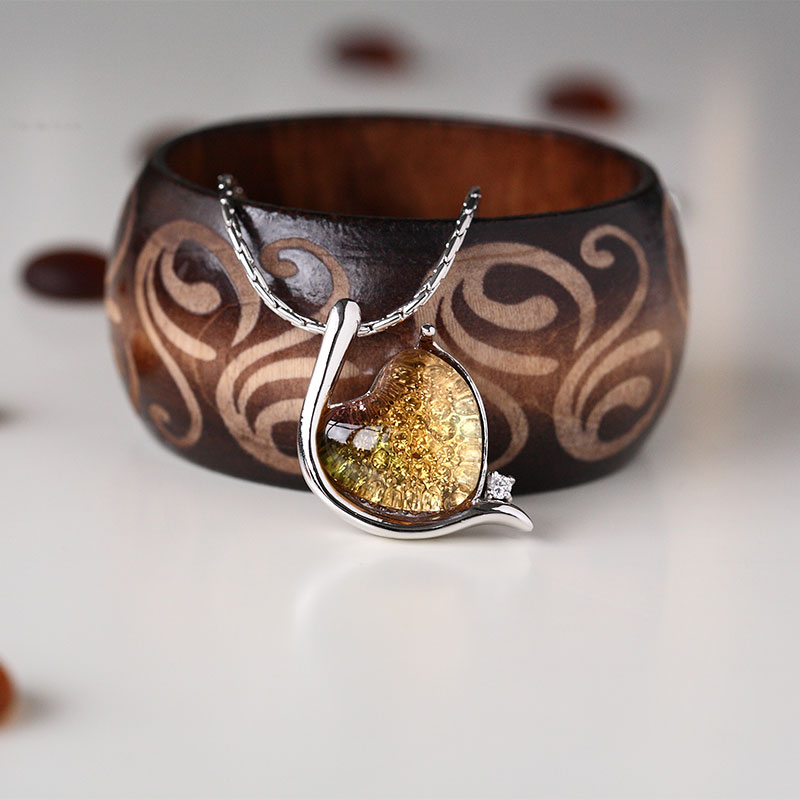 Silver Bracelet with Glass PendantThis silver bracelet with a glass pendant provides a durable, easily replaceable option for travel or casual wear. It delivers the visual appeal of stone without the collector price.View Product →
The benefits of wearing jade are not one magical effect but three real ones: a physical object that feels good against the skin, a cultural symbol that carries meaning you can share, and a personal ritual that steadies you in uncertain moments. Whether you choose a nephrite bangle, a jadeite pendant, or a well-made glass piece, the value grows with consistent wear. The best piece is the one you never want to take off.
 previous post