

 中文繁体
中文繁体
 English
 Français

How to Tell If Crystal Glass Is Real: 5 Expert Tests
The Definitive Guide to Identifying Genuine Crystal
Distinguishing real crystal from standard soda-lime glass requires a combination of sensory observations. The most reliable indicators are the resonant ring when tapped, the significant weight due to lead or mineral content, and the prismatic rainbow effect when held to light. Unlike ordinary glass, which produces a dull "clink," genuine crystal emits a clear, sustained musical tone.
Crystal is not just a marketing term; it refers to glass that contains at least 24% lead oxide (in traditional lead crystal) or other metal oxides like zinc or magnesium in lead-free crystal. This addition increases the refractive index, making the material sparkle more intensely, and lowers the viscosity, allowing for intricate cuts and thinner rims. Understanding these physical properties allows you to perform simple, non-destructive tests to verify authenticity.
The Sound Test: Listening for the Ring
The acoustic property of crystal is its most famous characteristic. The high density and elastic structure of crystal allow it to vibrate at a specific frequency when struck.
How to Perform the Test
Hold the glass by the base or stem to avoid dampening vibrations. Gently tap the rim with your fingernail or a silver coin. If the glass emits a long, clear, bell-like ring that sustains for several seconds, it is likely real crystal. Standard glass will produce a short, dull "thud" or a brief "clink" that stops almost immediately.
Why It Works
The lead oxide in traditional crystal creates a tighter molecular structure that supports sound waves more efficiently than the looser structure of soda-lime glass. This test is particularly effective for stemmed ware like wine glasses and champagne flutes.
Visual Inspection: Refraction and Clarity
Crystal is engineered to manipulate light. Its higher refractive index means it bends light more sharply than standard glass, creating a dazzling display of colors.
The Prism Effect
Hold the item up to a light source, such as a lamp or sunlight. Rotate it slowly. Real crystal will split white light into a spectrum of rainbow colors, similar to a prism. Standard glass may reflect light, but it rarely disperses it into distinct spectral colors unless it is very thick or specially coated.
Clarity and Bubbles
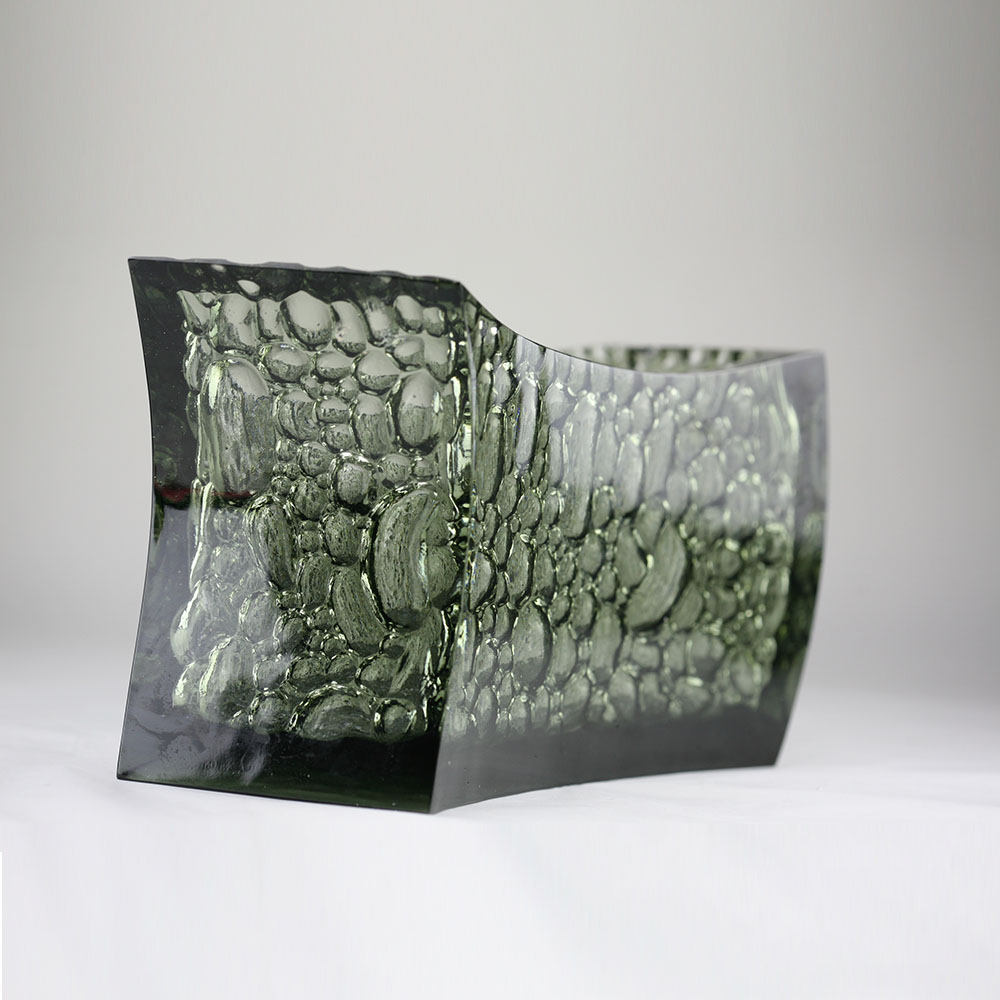
High-quality crystal is typically free of air bubbles and impurities. While some artisanal glass may have intentional bubbles, mass-produced crystal should be exceptionally clear. Look for a slight blue or gray tint in the thickness of the base, which is common in lead crystal due to the metal content.
Tactile Checks: Weight, Temperature, and Rim
Your hands can provide valuable clues about the material composition. The physical density and thermal conductivity of crystal differ markedly from standard glass.
- Weight: Pick up the item. Crystal is significantly heavier than standard glass of the same size due to the lead or mineral content. If it feels surprisingly light, it is likely ordinary glass or plastic.
- Temperature: Touch the surface. Crystal tends to feel cooler to the touch than glass because it conducts heat away from your fingers more rapidly. It also takes longer to warm up in your hand.
- Rim Smoothness: Run your finger along the rim. High-quality crystal is often mouth-blown or finely cut, resulting in a smooth, seamless rim. Standard pressed glass often has a subtle seam or a sharper, less refined edge where the mold halves joined.
Comparing Lead Crystal vs. Standard Glass
Understanding the technical differences helps in identifying not just real vs. fake, but also the quality grade of the crystal.
| Feature | Lead Crystal | Standard Soda-Lime Glass |
|---|---|---|
| Composition | Silica + 24%+ Lead Oxide | Silica + Soda Ash + Limestone |
| Weight | Heavy and dense | Lighter |
| Sound | Long, musical ring | Short, dull clink |
| Refraction | High sparkle, rainbow effect | Low sparkle, clear transmission |
| Durability | Softer, easier to cut, more fragile | Harder, more resistant to impact |
Common Misconceptions and Care Tips
Many people confuse "crystal" with any high-quality glass. However, true crystal has specific care requirements due to its chemical composition.
- Dishwasher Safety: Traditional lead crystal should never be placed in a dishwasher. The harsh detergents and high heat can cause "clouding" or etching, which is permanent damage to the surface. Hand wash with mild soap and lukewarm water.
- Lead Leaching: While rare in modern usage, storing acidic liquids (like wine or juice) in lead crystal decanters for extended periods (weeks or months) can cause lead to leach into the liquid. Use crystal decanters for serving only, not long-term storage.
- Lead-Free Crystal: Modern "crystal" often uses zinc or magnesium instead of lead. These items share the clarity and ring of lead crystal but are generally dishwasher safe and heavier. Look for labels specifying "lead-free crystal" if you are concerned about toxicity.
 previous post