
 中文繁体
中文繁体
 English
 Français

Crystal Wine Glasses vs Glass: Which Should You Choose?
The Short Answer
Crystal wine glasses enhance the drinking experience with superior clarity, thinner rims, and better resonance, while standard glass is more affordable and durable for everyday use. Neither is universally better — the right choice depends on your budget, how often you entertain, and how much you care about the sensory details of wine tasting.
What Actually Makes Crystal Different from Glass
Traditional crystal contains lead oxide (typically 24–32%), which increases refractive index and allows glassblowers to work the material into thinner, more delicate shapes. Today, most "crystal" sold for wine use is lead-free and instead incorporates minerals like barium oxide, zinc oxide, or titanium oxide to achieve similar optical and physical properties.
Standard soda-lime glass — the material in most everyday wine glasses — is thicker, heavier, and less optically brilliant. It's also significantly more resistant to chipping and breakage.
Here's a side-by-side look at the core differences:
| Feature | Crystal | Standard Glass |
|---|---|---|
| Clarity | High optical brilliance | Slightly less transparent |
| Wall Thickness | 1–2 mm | 2–4 mm |
| Weight | Lighter feel | Heavier |
| Rim Feel | Thin, almost imperceptible | Thicker, more noticeable |
| Sound when tapped | Clear, resonant ring | Dull thud |
| Durability | More fragile | More chip-resistant |
| Price Range | $20–$100+ per glass | $3–$20 per glass |
| Dishwasher Safe | Often hand-wash recommended | Usually dishwasher safe |
Does the Glass Material Affect How Wine Tastes?
This is the most debated question — and the answer is more nuanced than marketing copy suggests. The glass material itself doesn't chemically alter the wine, but the shape and rim thickness made possible by crystal do influence how wine is delivered to the palate.
A thinner rim directs wine more precisely onto the tongue, affecting which taste receptors are activated first. Research from Riedel, a leading crystal glassware brand, has long promoted the idea that glass shape enhances varietal characteristics — though independent blind studies have produced mixed results.
What does seem consistent in sommelier feedback and enthusiast testing is this:
- Crystal glasses allow for more elegant bowl shapes that better concentrate aromas
- The thinner rim of crystal feels less intrusive when sipping, which can psychologically improve the experience
- For casual drinking or everyday table wine, the difference is negligible to most people
In a 2019 consumer test conducted by Wine Spectator, participants reported a preference for wine served in crystal glasses — but when the glasses were hidden from view, fewer than 40% could reliably distinguish between crystal and high-quality glass.
Lead Crystal vs. Lead-Free Crystal: Is There a Safety Concern?
Traditional lead crystal (as made by brands like Waterford for decades) contains lead oxide, which does leach into wine — especially acidic wines stored for extended periods. The FDA recommends not storing wine or other acidic beverages in lead crystal decanters or glasses for more than a few hours.
For serving wine — meaning pouring and drinking within an hour — lead leaching into the liquid is minimal and generally considered safe by food safety standards. However, most modern crystal brands have shifted entirely to lead-free formulations. Schott Zwiesel, for example, uses a titanium and zirconium oxide crystal that is both lead-free and more break-resistant than traditional lead crystal.
If you're buying new crystal today, lead-free is the standard — making safety a non-issue for most shoppers.
Durability and Maintenance: The Practical Reality
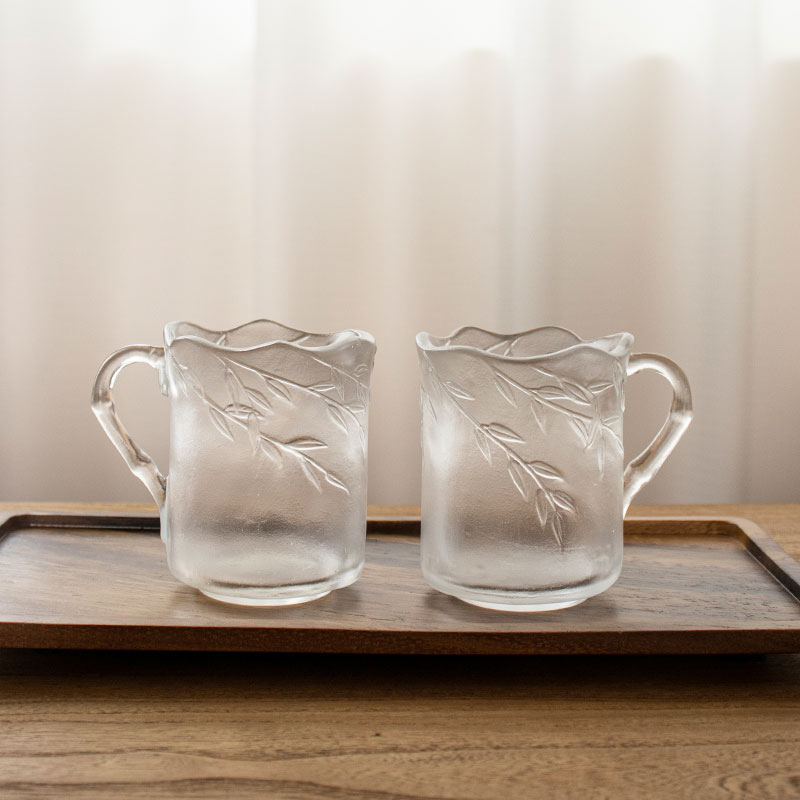
Crystal's thinness is both its greatest virtue and its biggest liability. A standard crystal wine glass is 3 to 5 times more likely to chip or crack than a comparable soda-lime glass, particularly at the rim and stem.
Washing and Storage Tips for Crystal
- Hand wash with warm water and a small amount of unscented dish soap
- Dry immediately with a lint-free microfiber cloth to prevent water spots
- Store upright, not inverted, to protect the delicate rim
- Avoid twisting the bowl and stem in opposite directions when drying — a common cause of breakage
Washing and Storage Tips for Standard Glass
- Dishwasher safe in most cases — use the top rack and a gentle cycle
- Can be stored inverted to keep dust out
- Far more tolerant of stacking and casual handling
For households with children, frequent dinner parties, or dishwasher-dependent routines, standard glass wins on practicality by a wide margin.
Price Comparison: What Are You Actually Paying For?
The price gap between crystal and glass can be substantial. A set of four standard glass wine glasses from IKEA (the STORSINT series, for example) costs around $8–$10. A comparable set of Riedel Vinum crystal glasses runs $80–$120 for the same quantity.
That said, mid-range lead-free crystal options from brands like Schott Zwiesel or Spiegelau have narrowed the gap considerably — offering genuine crystal quality for $12–$20 per glass, which many wine enthusiasts consider the sweet spot.
You're paying for:
- Thinner, more elegant walls and rims
- Higher optical clarity and light refraction
- Better aroma concentration due to precise bowl geometry
- Prestige and aesthetic presentation at the table
If you're regularly tasting fine wine or hosting formal dinners, the investment makes sense. For weeknight pours or casual gatherings, quality soda-lime glass is entirely sufficient.
Which Should You Choose? A Practical Guide
Here's a simple way to decide based on your situation:
| Your Situation | Recommended Choice |
|---|---|
| Everyday wine drinker on a budget | Standard glass |
| Wine enthusiast who tastes regularly | Lead-free crystal (Spiegelau or Schott Zwiesel) |
| Formal dinner parties or gifting | Premium crystal (Riedel, Waterford lead-free) |
| Households with children or clumsy guests | Standard glass |
| Restaurant or bar setting | Tempered standard glass or entry-level crystal |
| Decanting and serving aged fine wine | Lead-free crystal |
A practical middle-ground many wine drinkers adopt is owning both — standard glass for casual weeknight use, and a set of lead-free crystal for occasions when the wine itself deserves more attention. Brands like Spiegelau offer excellent entry-level crystal at price points close to quality glass, making the upgrade easy to justify.
 previous post