 中文繁体
中文繁体
 English
 Français

Art Glass Sculptures: Techniques, Care & Valuation Guide
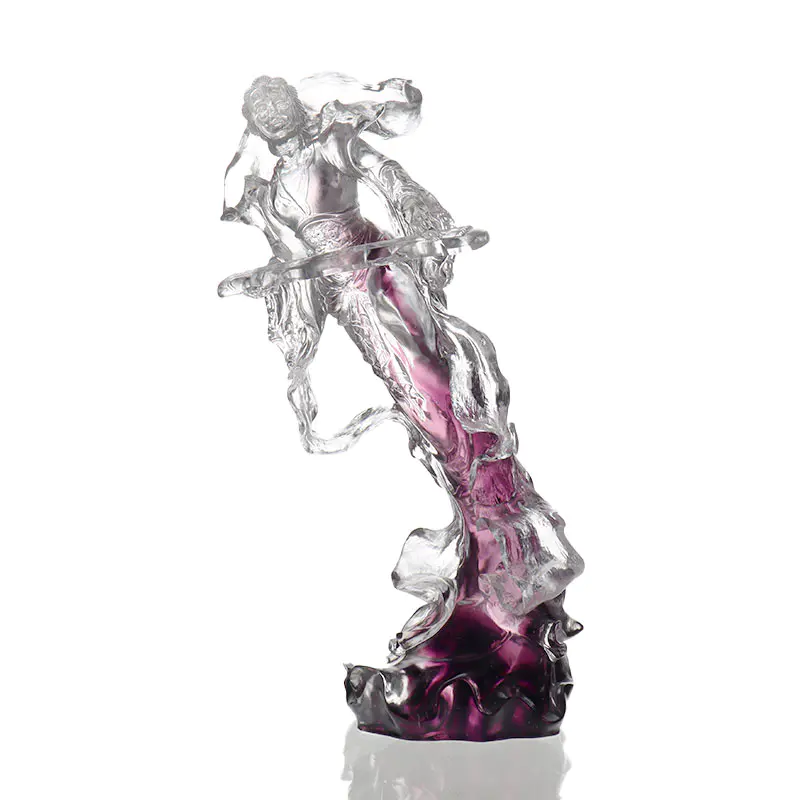
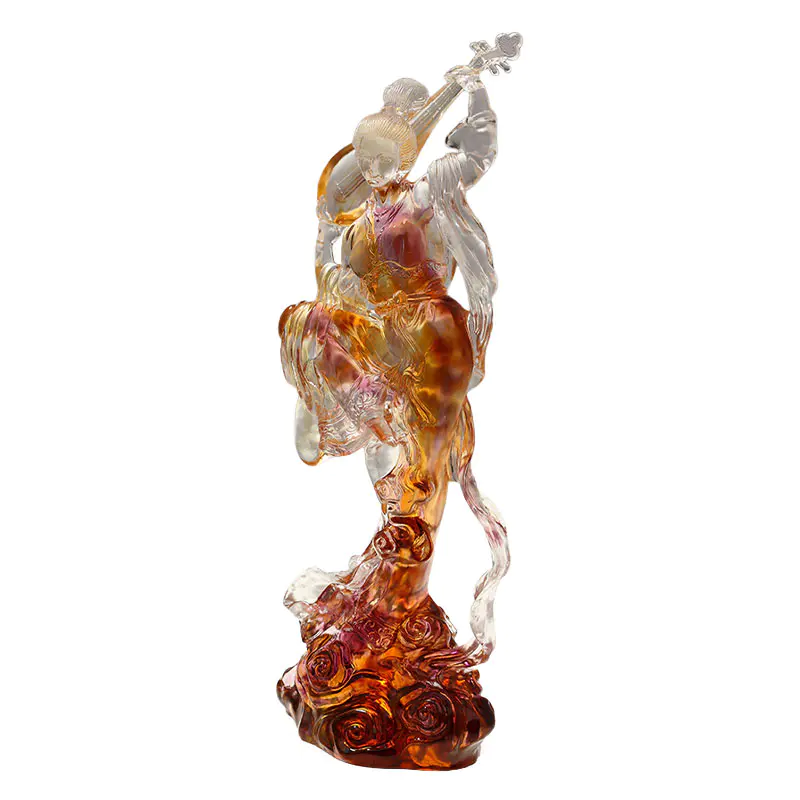
Art glass sculptures represent the pinnacle of material mastery, transforming fragile silica into enduring statements of light and form. Unlike functional glassware, these pieces prioritize aesthetic expression, utilizing techniques like kiln-casting, lost-wax casting, and hot sculpting to achieve complex geometries and internal depth. The value and longevity of an art glass sculpture are determined not just by the artist's reputation, but by the structural integrity of the annealing process and the quality of the raw materials used. Collectors and enthusiasts must understand the specific care requirements of different glass types, as thermal shock and improper cleaning can irreparably damage these intricate works.
Primary Formation Techniques
The method used to create a glass sculpture dictates its visual characteristics, potential flaws, and market value. Understanding these processes helps in appreciating the technical skill involved.
Kiln-Casting and Lost-Wax Casting
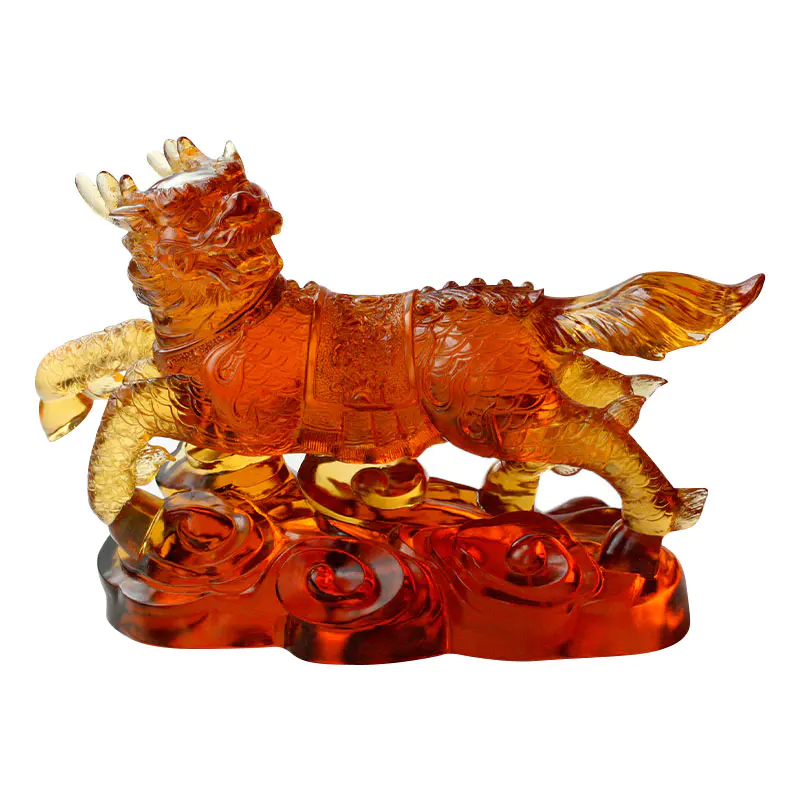
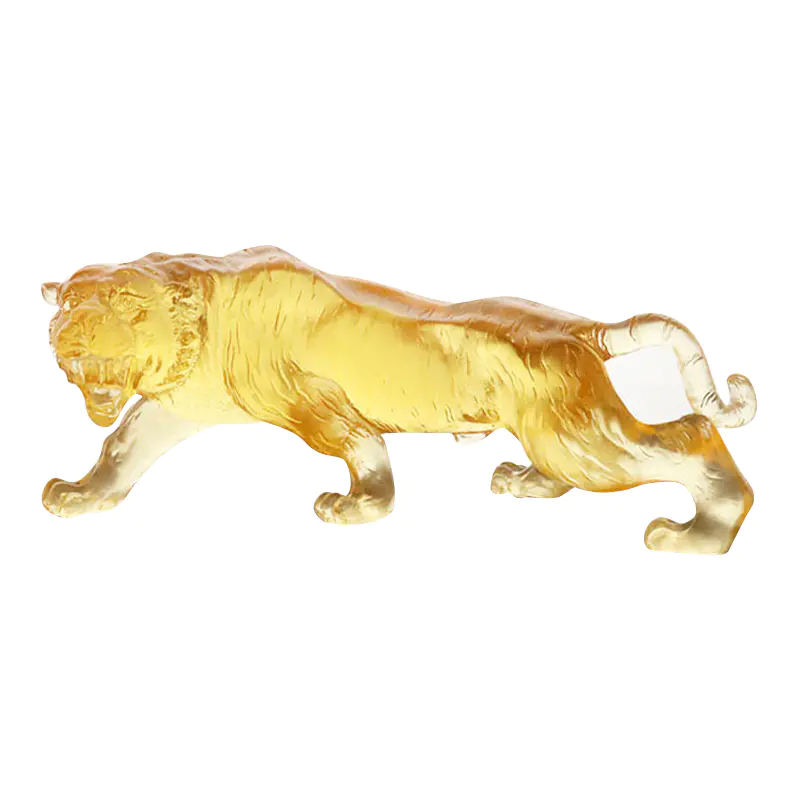
Kiln-casting involves placing glass chunks or frit into a mold and heating them in a kiln until they melt and take the shape of the cavity. The lost-wax technique is a variation where a wax original is encased in a refractory mold; the wax is melted out ("lost"), leaving a void for the molten glass. This method allows for intricate details and solid, heavy forms that are impossible to achieve with blowing. The cooling process, or annealing, can take weeks for large pieces to prevent internal stress and cracking.
Hot Sculpting and Blowing
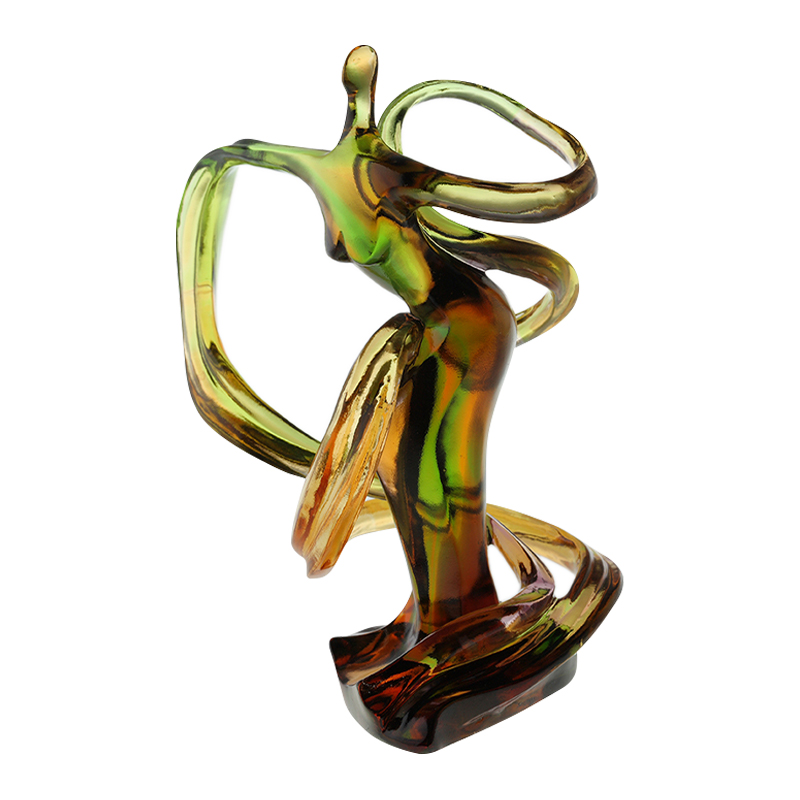
Hot sculpting involves manipulating molten glass directly from the furnace using tools, paddles, and jacks. Glassblowing adds air to create hollow forms. This technique is characterized by fluidity, organic shapes, and a sense of movement. Artists like Dale Chihuly popularized large-scale hot-sculpted installations. The challenge lies in working against gravity and time, as the glass stiffens rapidly as it cools below 1000°F (538°C).
Cold Working and Finishing
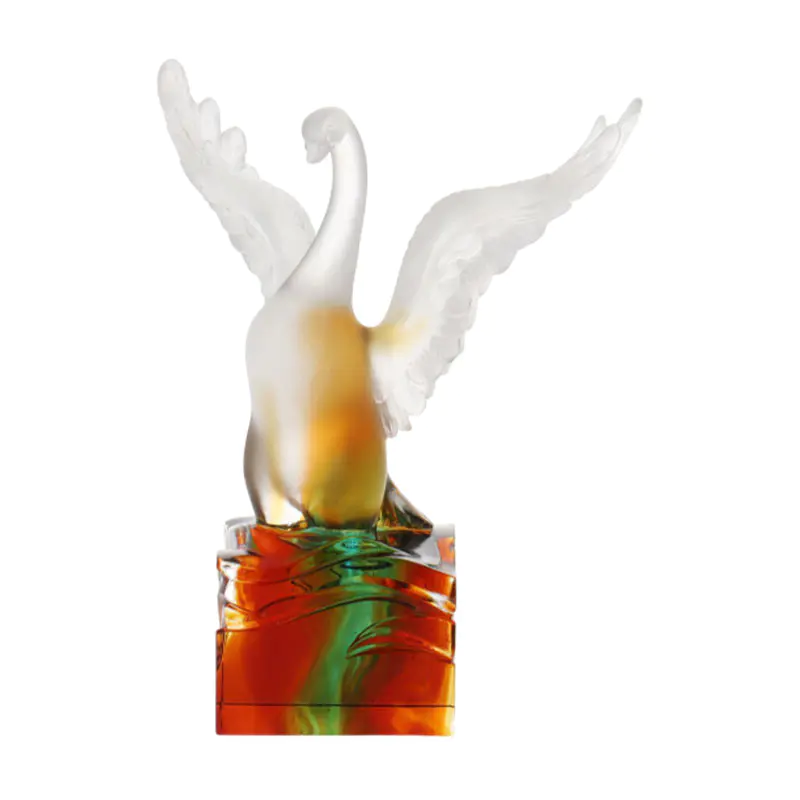
After the initial forming, many sculptures undergo cold working. This includes grinding, polishing, sandblasting, and engraving. Cold working refines the surface, removes mold marks, and can add texture or clarity. A fully polished surface maximizes light transmission, while a satin or acid-etched finish diffuses light, creating a soft glow.
Material Composition and Optical Properties
Not all glass is created equal. The chemical composition affects the clarity, color, and weight of the sculpture.
| Glass Type | Refractive Index | Characteristics | Common Use |
|---|---|---|---|
| Soda-Lime | ~1.5 | Greenish tint, less durable | Mass-produced decor |
| Crystal (Lead/PbO) | ~1.6 - 1.7 | High brilliance, heavy, soft | Cut crystal, fine art |
| Borosilicate | ~1.47 | Thermal shock resistant, clear | Scientific glass art, delicate forms |
Lead crystal, containing at least 24% lead oxide, is prized for its high refractive index, which creates exceptional sparkle and weight. However, environmental concerns have led to the development of lead-free crystals using barium or zinc, which offer similar optical properties without the toxicity. Borosilicate glass, known for its durability, is often used for intricate, thin-walled sculptures that require resistance to thermal stress.
Display and Lighting Strategies
Glass is a medium of light; without proper illumination, a sculpture loses its dimensionality and color depth. Strategic lighting is essential to showcase the artwork effectively.
Light Source Selection
LED lighting is the preferred choice for displaying art glass sculptures due to its low heat emission and energy efficiency. Halogen bulbs, while offering excellent color rendering, generate significant heat that can cause thermal shock if placed too close to the glass. Maintain a minimum distance of 12 inches between any heat-emitting light source and the sculpture.
Directional and Ambient Lighting
Use a combination of ambient and directional lighting. Ambient light provides general visibility, while directional spotlights highlight specific facets, bubbles, or color gradients within the glass. Backlighting translucent pieces can reveal internal complexities and create a glowing effect. Avoid direct sunlight, as UV rays can fade certain colored glasses and cause uneven heating.
Care, Maintenance, and Preservation
Proper care ensures that art glass sculptures remain pristine for generations. Glass is chemically stable but physically vulnerable to abrasion and sudden temperature changes.
- Dusting: Use a soft, natural-hair brush or a microfiber cloth to remove dust. Avoid feather dusters, which can scratch delicate surfaces or get caught on irregular shapes.
- Cleaning: For deeper cleaning, use lukewarm water and a mild, phosphate-free dish soap. Avoid abrasive cleaners, ammonia, or vinegar, which can degrade surface coatings or etch the glass over time. Dry immediately with a lint-free cloth to prevent water spots.
- Handling: Always handle sculptures with clean, dry hands. Oils from skin can attract dirt and cause staining. For large or heavy pieces, support the base rather than protruding elements, which are prone to breaking.
- Environment: Keep sculptures in a stable environment with consistent temperature and humidity. Avoid placing them near HVAC vents, radiators, or windows where temperature fluctuations are common.
 previous post